Corn originated in Mexico and Central America and was introduced to China during the Ming Dynasty.
Corn originated in the Americas, and it is generally believed to have been first domesticated in Mexico and Central America, with its wild ancestor being a grass known as teosinte. Through long-term selection and breeding, the local ancestors turned a wild grass with tiny kernels into a food crop with large, plump ears, and corn also became an important staple food for ancient civilizations such as the Maya and the Aztecs.
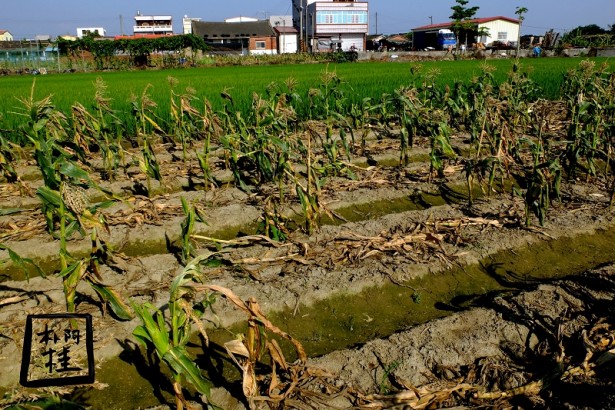
After the Age of Discovery, corn spread along the new sea routes to Europe, Africa and various parts of Asia. It was introduced to China around the Ming Dynasty, and because of its strong adaptability and tolerance of drought and poor soil, it quickly spread through mountainous and hilly areas, and today it is one of the main food crops widely grown in both the north and the south.
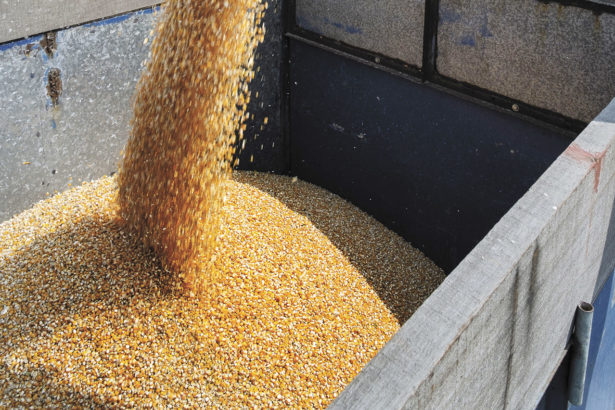
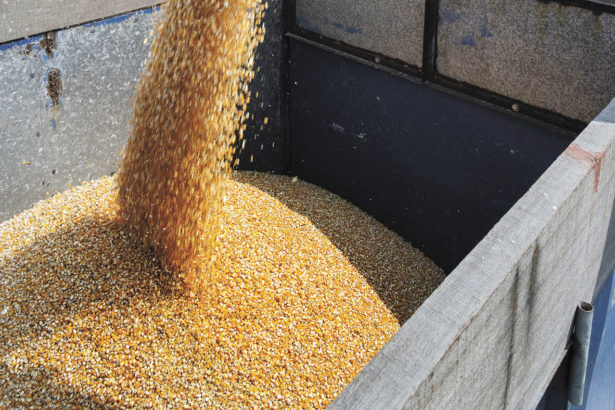
Classified by use, corn includes grain, feed and fresh-eating types. Common ones include floury, dent and flint corn, as well as fresh-eating varieties such as sweet corn and waxy corn, among which flint corn is mostly used as feed and processing material. Different varieties differ in kernel taste, maturity period and use, and the choice can be made according to the local climate and market when planting.
Corn has a wide range of uses; it can be eaten directly and is also an important feed and industrial raw material, as starch, oil, alcohol and other processing all depend on it. On the market there is also a distinction between genetically modified and non-genetically modified corn, and China has corresponding management rules for the circulation and labeling of genetically modified corn, so it is worth paying extra attention when buying and planting.
Related reading