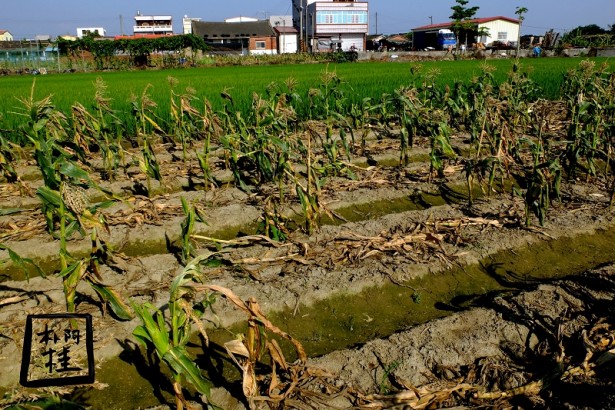
Corn soil pest control must be done early, and treatment at sowing time is the most critical
Corn soil pests refer to a class of pests that lurk in the soil and damage corn seeds, root systems and young stems. Common species include cutworms, white grubs, wireworms and mole crickets. They bite and eat newly sown seeds or bite through the tender stems of seedlings, often causing missing plants and broken rows. In severe cases, replanting or even destroying the crop and resowing is necessary, directly affecting the seedling retention rate and later yield of corn.
Controlling soil pests should focus on prevention, and soil treatment before sowing is the key step. Deep plowing and sun-drying the soil before sowing can turn eggs and larvae hidden in the shallow soil layer up to the surface. After sun exposure and predation by natural enemies, the pest population will drop noticeably. Organic fertilizer applied must be fully decomposed, otherwise it easily attracts pests to lay eggs and instead worsens the damage. Where conditions allow, plots can be rotated with crops such as legumes to break the pests' reproductive cycle.
Seed treatment and poisonous bait trapping are also commonly used in production. Before sowing, seed dressing or seed coating with pesticides registered for use on corn can form a protective layer during the seedling stage and is relatively effective against white grubs, wireworms and other pests that gnaw on root systems. For pests such as cutworms that feed at night, bran that has been roasted until fragrant and mixed with pesticide can be made into poisonous bait and scattered near the seedling rows in the evening to trap and kill them. Adult scarab beetles and mole crickets are phototactic, so setting up light traps can also reduce pest sources in the field.
After emergence, check the field frequently. When seedlings are found bitten off or leaves show notches, scrape away the surface soil near the damaged plants, and lurking larvae can often be found, allowing timely spot application of pesticide for control. When using pesticides, follow the label instructions. Too high a concentration during the seedling stage can easily damage roots, and before and after application, arrangements should also be made flexibly according to soil moisture conditions. As long as pre-sowing treatment and seedling-stage inspection and control are combined, soil pests can generally be kept at a relatively mild level.
Related Reading