A Detailed Guide to the Benefits and Effects of Melon: High Nutritional Value, Relieves Heat and Quenches Thirst
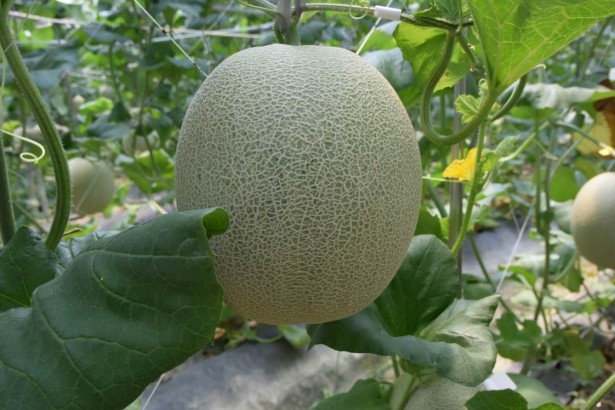
Melon, also known as sweet melon or muskmelon, is the fruit of an annual vining herbaceous plant in the genus Cucumis of the gourd family. Its flesh is sweet and juicy with a rich aroma, making it a common summer fruit for beating the heat. Based on rind thickness, it can be divided into two major groups: thin-rind melons and thick-rind melons. Thin-rind melons include the traditional pear-shaped melon, while thick-rind types include the netted muskmelon and the Hami melon, each with its own distinctive flavor.
Melon has a very high water content and contains nutrients such as vitamin C, carotene, potassium and dietary fiber. Eaten in moderation during hot weather, it helps replenish fluids and quenches thirst, and its refreshing taste can ease the irritability brought on by summer heat. Potassium helps maintain electrolyte balance in the body, while dietary fiber promotes intestinal movement and aids digestion.
It should be noted that melon is cool in nature, so people with a weak, cold spleen and stomach who are prone to diarrhea should not eat too much at one time; its sugar content is not low, so those who need to control their blood sugar should also eat it in moderation. In addition, the stem end of the fruit contains bitter substances and is not edible, so it should be removed cleanly before cutting the melon. As for the various health claims circulating online, simply enjoy it in moderation as an ordinary fruit; a balanced diet is what really matters.
When choosing one, you can smell the aroma and look at the blossom end. A ripe melon often gives off a natural sweet fragrance, has clear lines on the rind, and yields slightly when pressed. If you cannot finish a cut melon in one sitting, it is best to wrap it well in plastic wrap and refrigerate it, eating it as soon as possible so the flavor does not fade.
Related Reading