Characteristics of Genetically Modified Sweet Corn Varieties and an Interpretation of Safety Regulation
Sweet corn is a type of corn with a relatively high sugar content, named for the large amount of sugar that accumulates in the kernels during the milk-ripe stage, giving it a sweet taste. Genetically modified sweet corn refers to the use of genetic engineering techniques to introduce specific exogenous genes into sweet corn so that it acquires traits it originally did not possess; common improvement targets include insect resistance and herbicide tolerance.
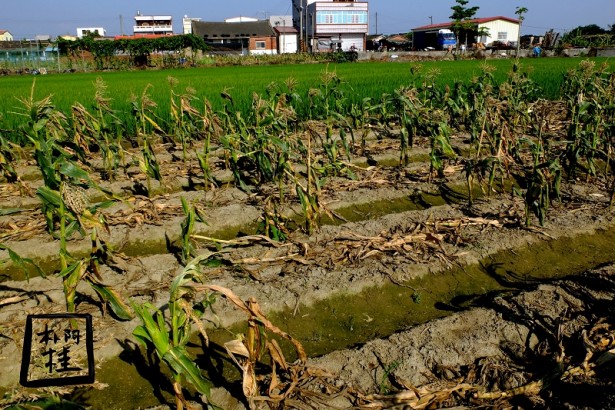
From a breeding perspective, transgenic technology mainly addresses practical problems in sweet corn production. During its growth period, sweet corn is easily attacked by pests such as the corn borer, and conventional control often relies on frequent pesticide application, whereas introducing insect-resistance genes can reduce pesticide use; herbicide-tolerance traits, meanwhile, make field weed management easier and lower labor input. In addition, there have also been explorations of improving flavor and extending the fresh-keeping period through genetic means, but most remain at the experimental stage.
Safety and regulation are the parts the public cares about most. All countries have relatively strict approval processes for genetically modified crops, requiring assessments of food safety and environmental safety, among other aspects. Domestically, there are clear management requirements for the variety approval, seed production and cultivation of genetically modified corn; unapproved genetically modified materials may not be commercially cultivated or circulated, and genetically modified foods on the market must also be labeled in accordance with regulations, making it easier for consumers to make informed choices.
For growers and consumers, mastering the correct ways to respond is very important. Growers should choose varieties that have been approved and are permitted for cultivation, and maintain appropriate isolation from conventional corn fields to prevent gene mixing caused by pollen spread; when consumers buy sweet corn or related products, they can identify the ingredients through proper channels and product labels. Regarding hidden dangers such as genetic contamination and mixed harvesting and storage, the industry is also continuously strengthening management through methods such as retained-sample testing and zone-based planting.
Related Reading