An Introduction to the Benefits and Uses of Gastrodia: Using This Precious Chinese Medicinal Herb
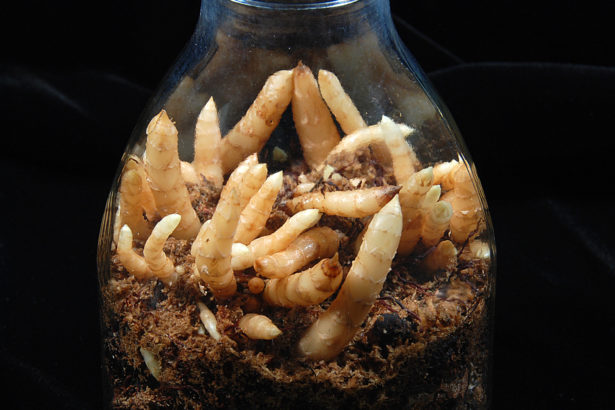
Gastrodia is a perennial herb in the genus Gastrodia of the orchid family and is also a traditional precious Chinese medicinal herb; its medicinal part is its underground tuber. It has no roots or leaves and cannot carry out photosynthesis, so it needs to live symbiotically with Armillaria fungi to obtain nutrients. It mostly grows in shady, damp humus soil under forests, and is produced in places such as Yunnan, Guizhou, Sichuan and Shaanxi in China.
From the perspective of traditional Chinese medicine, Gastrodia is neutral in nature and sweet in taste, with the effects of calming wind and stopping spasms, suppressing hyperactive liver yang, and dispelling wind and unblocking collaterals. It is often used in combination formulas for conditions such as headache and dizziness, numbness of the limbs, and convulsions and twitching. Modern research generally believes that components such as gastrodin are its main active substances, and related health applications are also increasing, but specific use should follow a doctor's advice, and the dosage should not be increased on one's own.
In daily use, Gastrodia can be eaten in a variety of ways, commonly including Gastrodia stewed chicken and Gastrodia fish head soup; it can also be sliced and soaked in water or ground into powder and taken. Before cooking, it is generally recommended to soak it in warm water first to soften it, and appropriately extending the stewing time is more helpful for extracting the active components. It should be noted that Gastrodia is, after all, a medicinal material, so daily consumption should be kept within limits, and pregnant women and people with special constitutions had best consult a professional physician before eating it.
When purchasing, quality can be judged by appearance. High-quality Gastrodia tubers are plump and firm, with a semi-transparent cross-section and a slight luster. Features such as the "parrot beak" and "concave navel" are often used as reference points for identification. There are occasionally cases on the market of other rhizomes being passed off as Gastrodia, so buying through proper channels is recommended. In addition, products without relevant certification may not claim therapeutic effects, and consumers should view all kinds of promotional claims rationally.
Related Reading