Which Flowers Bloom and When
The blooming time of flowers is mainly affected by climatic conditions such as light and temperature, and different kinds of flowers tend to bloom in the seasons to which they are adapted. Understanding the flowering periods of common flowers can help gardening enthusiasts arrange their planting schedules reasonably, and it also makes it easier for everyone to plan flower-viewing trips according to the seasons.
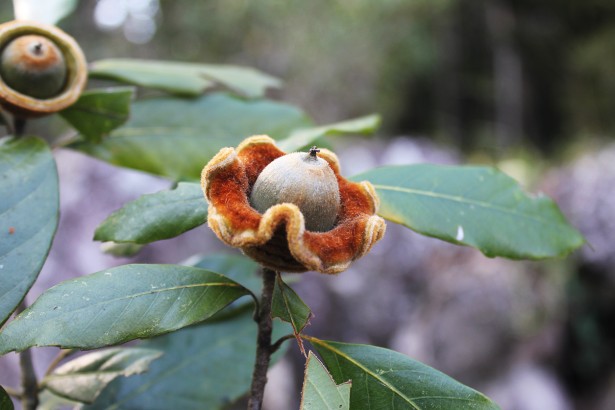
From a seasonal perspective, spring has the richest variety of flowering species, with common ones including winter jasmine, peach blossoms, cherry blossoms, tulips, and hyacinths, most of which open one after another as the temperature warms up. In summer, with high temperatures and frequent rain, lotus, gardenia, jasmine, sunflowers, and crape myrtle appear in succession, and many species have long flowering periods that can be enjoyed throughout the whole summer. In autumn, as the weather turns cooler, chrysanthemums, osmanthus, and cotton rose enter their full bloom period, among which osmanthus is deeply loved because it often carries a distinct fragrance when it blooms. Flowers that bloom in winter are relatively few, and plum blossoms, camellias, and narcissus are more cold-tolerant or suitable for indoor cultivation, becoming the main ornamental flowers of winter.
It should be noted that flowering periods are not fixed. The same flower may open at quite different times in the south and the north, flowering periods in mountainous areas at higher altitudes are usually later, and facility cultivation such as greenhouses can make flowering periods earlier or later by regulating temperature. Therefore, the specific time for flower viewing is best judged in combination with the local climate and the weather conditions of that year.
Mastering the flowering patterns of flowers is very valuable in practical applications. When planting in a courtyard or on a balcony, plants with different flowering periods can be combined so that there are flowers to enjoy all year round; in landscaping, flowering period succession is also often used to create continuous landscape effects. For people who enjoy traveling to see flowers, learning in advance about the flowering periods of the flowers at their destination also makes it easier to catch the best viewing time.
Related Reading