When Do Figs Ripen? An Introduction to Ripening Times
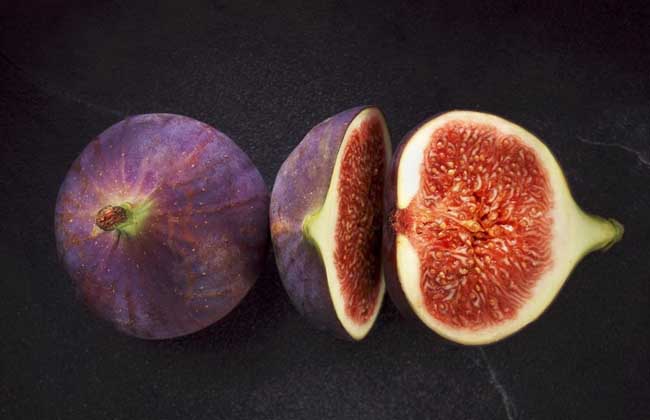
The fig is a summer and autumn fruit, also known as wenxian fruit, milk fig, pinxian fruit, and so on. It is the fruit of a deciduous shrub in the Moraceae family, genus Ficus. However, because ripe figs are very difficult to transport and store, the figs sold are picked unripe, so their flavor is not at its best. Let us take a look below at when figs ripen!
When do figs ripen?
1. South: Fig trees in the south have roughly the same ripening period. Generally, summer figs ripen in early July, autumn figs ripen from late August to mid-October, and the leaves fall in late November.
2. North: In the north, fig trees ripen later due to differences in region, temperature, sunlight, and so on, usually ripening in late October to early November, after which the leaves gradually fall.
How do you choose fresh figs?
1. Appearance: The best figs have a plump, flawless exterior, and the fruit should be as large as possible.
2. Texture: It is better to choose figs with a soft but not sticky texture.
3. Smell: If a fig gives off a sour odor, it means it has already gone bad and is not suitable for purchase.
4. Tail end: Figs have a high sugar content and easily attract insects, so it is best not to choose ones with large cracks, to avoid insects crawling inside.
How do you store fresh figs?
1. Fresh figs can be stored frozen in a refrigerator. Although this keeps them for more than three months, the flavor is affected to some extent.
2. If you do not have a refrigerator at home, you can spread the fresh figs flat on a clean table or wooden board and open the windows for ventilation; this will keep them a bit longer.
3. Fresh figs are very hard to keep for long, so they can be made into dried figs, preserved fruit, jam, juice, and so on, which allows them to be stored for a long time.
What are the benefits of eating figs?
1. Relieving fatigue: Figs are rich in amino acids, with the highest content being aspartic acid, which has a good effect on fighting leukemia, restoring physical strength, and relieving fatigue. For this reason, a fig beverage is used abroad as a "coffee substitute."
2. Moistening the intestines and relieving constipation: Figs are rich in malic acid, citric acid, lipase, protease, hydrolase, and other components, which can help the human body digest food and promote appetite. Because they also contain various lipids, they have the effect of moistening the intestines and relieving constipation.
3. Strengthening the body: Figs contain a large amount of inorganic elements beneficial to the human body, while not containing easily carcinogenic inorganic elements such as Co, Cd, Pb, and so on, so they have a good effect on enhancing body health and anti-cancer ability.
4. Controlling blood sugar: The dietary fiber abundant in figs can cause various harmful substances in the intestinal tract to be adsorbed and expelled, purify the intestinal tract, and promote the reproduction of beneficial bacteria, thereby inhibiting rises in blood sugar, maintaining normal cholesterol levels, and eliminating carcinogenic substances.
5. Lowering blood lipids: The lipase, hydrolase, and so on contained in figs have the function of lowering blood lipids and breaking down blood lipids. They can reduce fat deposition in blood vessels, thereby lowering blood pressure and preventing coronary heart disease.
6. Preventing and fighting cancer: Certain components contained in figs have the effect of preventing and fighting cancer and enhancing the body's disease resistance. They can prevent the occurrence of many kinds of cancer, delay the development of transplanted glandular cancer and lymphosarcoma, promote their degeneration, and cause no toxicity to normal cells.