Disease Prevention and Control for Green Beans: This Is How to Guarantee Pod Quality
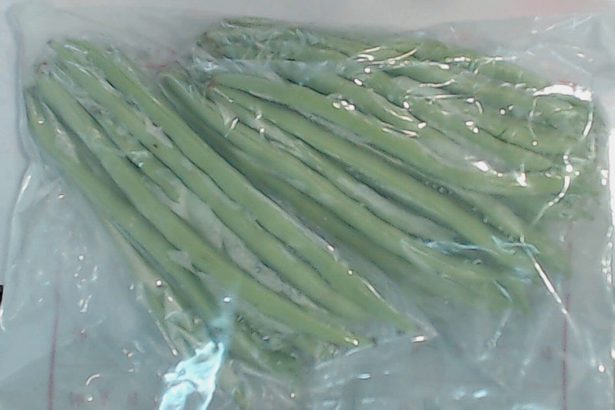
Green beans, also known as common beans or snap beans, are a common legume vegetable. During the growing season, when they encounter high temperatures and heavy rain or excessively high humidity in the field, they are prone to various diseases. Common diseases include anthracnose, rust, powdery mildew, bacterial leaf spot, as well as soil-borne diseases such as root rot and damping-off. Symptoms mostly appear on leaves, pods or roots, and in severe cases they affect plant growth and pod quality.
For control, the principle should be prevention first with integrated management. Before planting, choose varieties with better disease resistance, carry out seed disinfection or seed dressing, and avoid continuous cropping with legume crops; reduce the accumulation of pathogens in the soil through crop rotation. The field should maintain smooth drainage, avoid waterlogging, and have appropriate plant and row spacing so that ventilation and light penetration are sufficient, lowering humidity to inhibit pathogen reproduction.
In daily management, promptly remove diseased leaves, diseased pods and fallen flowers and plant debris, and carry them out of the field for disposal. After harvest, thoroughly clean the field to reduce residual sources of disease. Before and after the rainy season, strengthen field inspections, deal with early signs of disease as soon as possible, and when necessary select suitable control agents according to crop protection information, strictly observing the safe harvest interval.
Green beans are a vegetable eaten frequently in daily life, so proper pesticide use is especially important. While controlling diseases, farmers should record the types and timing of pesticide applications, and combine this with healthy seedlings, field sanitation and water and fertilizer management, so as to balance yield, quality and food safety.
Related Reading