Taro Grown in Paddy Fields: Mastering Its Characteristics and Management Methods Is Key
Paddy taro is a type of taro cultivated in paddy field environments, corresponding to upland taro planted on dry land. It belongs, together with upland taro, to the genus Colocasia in the family Araceae; the main difference lies in the growing environment and cultivation method. Paddy taro is mostly grown in shallow paddy fields or low-lying wetlands, and its corms are plump with relatively tender tissue. It should be noted that botanically there is another wild aquatic herb, also called paddy taro, belonging to the genus Calla in the family Araceae, which is mostly found in northern marsh wetlands and is not the same plant as the paddy taro cultivated as a vegetable.
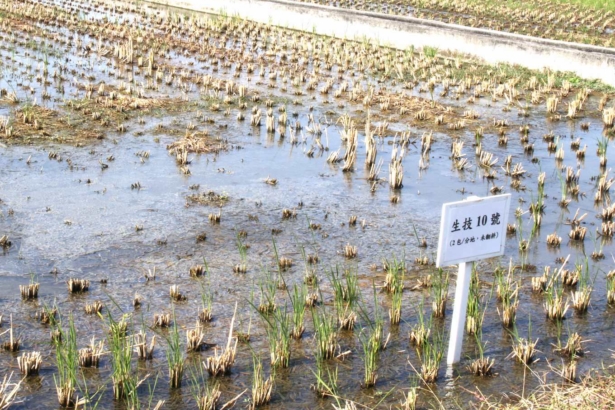
Paddy taro prefers warmth and humidity and is not tolerant of drought. During the growing period, a certain water layer must be maintained in the field; long-term dry field conditions or excessively deep water will both affect corm expansion. Its leaves are broad and shield-shaped with high transpiration, and its water requirement is noticeably higher than that of upland taro. The paddy field environment can also use the water layer to suppress weed growth and reduce the labor needed for weeding.
For cultivating paddy taro, it is advisable to choose paddy fields with convenient drainage and irrigation and good water retention. In the early stage, shallow water promotes seedling growth; in the middle stage, the water layer is gradually deepened as the plants grow taller; in the later stage, the field is drained and dried to promote full corm development. The base fertilizer should mainly be decomposed organic fertilizer, with additional fertilizer applied in several split applications during the growing period, using a combination of nitrogen, phosphorus, and potassium. In the field, attention should be paid to controlling common diseases and pests such as taro blight, soft rot, and tobacco cutworm. Avoiding continuous cropping and maintaining ventilation and light penetration can help reduce disease occurrence.
Paddy taro corms are rich in starch and have a starchy, glutinous texture. They can be steamed or stewed, and can also be processed into foods such as taro paste. In some areas, the leaf stalks are also eaten as a vegetable. The key to growing paddy taro well lies in water management. Many people fail because they dry the field for too long or irrigate too deeply. As long as you follow the approach of shallow water for promoting seedlings, deeper water for nurturing plants, and drainage for corm formation, you can usually achieve a good harvest.
Related Reading