Luffa has high medicinal value: the flesh, the fiber, the vine and the leaves can all be used as medicine
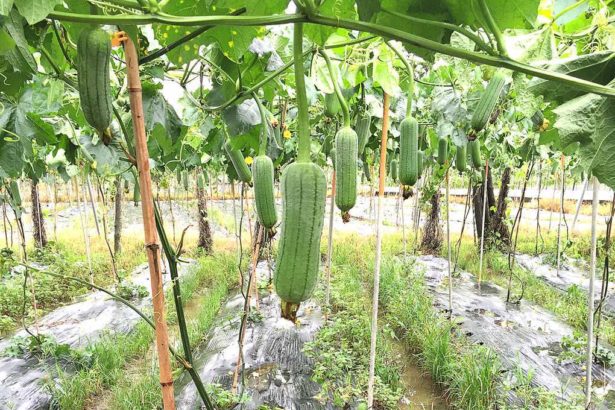
Luffa is an annual climbing herbaceous plant of the Cucurbitaceae family, classified in traditional Chinese medicine as a gourd that serves as both food and medicine. It is cool in nature and sweet in taste, and in folk practice it is often eaten as a summer heat-relieving dietary vegetable, believed to clear heat and resolve phlegm, cool the blood and remove toxins, and free the meridians and invigorate the collaterals. Luffa has quite a few medicinal parts: the flesh, the fiber, the rind, the vine, the leaves and the seeds each have different uses.
Among the medicinal parts, the most frequently mentioned is luffa fiber, the fibrous network left after the rind is peeled off and the seeds are removed from a mature luffa. Luffa fiber is light and tough, and traditionally it is used to treat chest tightness, hypochondriac pain and joint discomfort caused by blocked meridians; it can be decocted in water and taken internally, or ground into powder and applied externally. Dried old luffa is also a natural loofah sponge and kitchen scrubber, so its uses are very wide-ranging.
The tender flesh contains mucilaginous substances, saponins and various vitamins, and it is low in calories and full of water, suitable for both soup and a quick stir-fry; it not only adds nutrition but also helps promote fluid production and quench thirst. The sap that flows out after a luffa vine is cut is commonly called luffa water, a long-circulated natural skincare water that people often use to wipe the skin and relieve the dryness and tightness after sun exposure.
One thing to keep in mind is that luffa tends toward coolness, so people with deficient cold in the spleen and stomach who are prone to diarrhea should not eat too much at one time. In addition, bitter luffa contains cucurbitacin-type toxins and must not be eaten whether raw or cooked; if you taste bitterness before cooking, the whole fruit should be thrown away to avoid poisoning.
Related Reading