To do a good job of loofah disease control, you need to identify symptoms early and strengthen field management
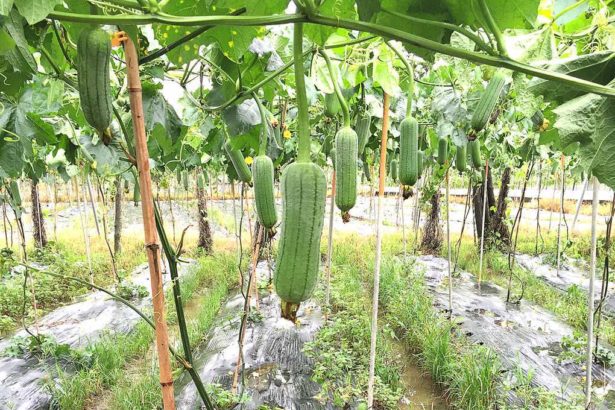
Loofah disease control refers to the cultivation and management work of adopting comprehensive measures such as identification, prevention and control against the various diseases that occur throughout the entire growth period of loofah. Loofah prefers a warm and humid climate, and during hot, rainy seasons pathogenic bacteria are extremely likely to breed and spread. Once an epidemic breaks out, it directly affects vine growth and fruit quality, so control emphasizes prevention first and integrated management.
Common loofah diseases include downy mildew, powdery mildew, anthracnose, gummy stem blight, wilt disease and viral disease. Downy mildew mostly forms yellow-brown angular lesions on the leaves, and a mold layer can be seen on the underside of the leaves when it is humid; powdery mildew appears as white powdery matter on the leaf surface; wilt disease is a soil-borne disease that often causes the whole plant to wilt, making it relatively difficult to control; viral disease is mostly spread by vectors such as aphids and appears as mosaic, wrinkling and deformed fruit.
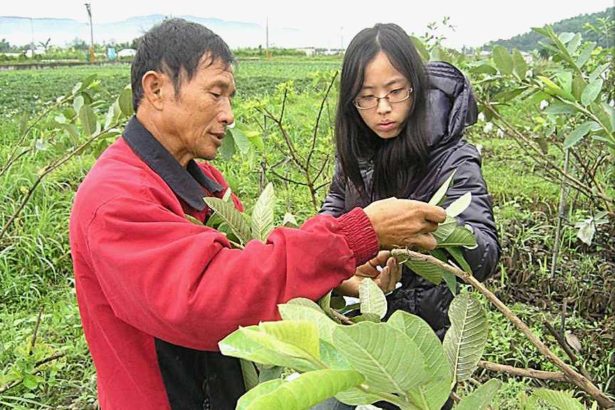
Control should be based on agricultural measures, such as choosing disease-resistant varieties, rotating with non-cucurbit crops, cleaning the field, and using reasonable dense planting to maintain ventilation and light penetration, and paying attention to timely drainage after rain to reduce humidity. For soil-borne diseases such as wilt disease, planting healthy grafted seedlings is a relatively effective preventive approach. In the early stage of disease onset, accurate diagnosis and targeted medication should be used, and care should be taken to rotate chemicals to delay the development of resistance, while spraying should cover both the upper and lower sides of the leaves.
In daily management, excessive application of nitrogen fertilizer should also be avoided, and more organic fertilizer should be applied to enhance the plant's disease resistance. Diseased leaves and vines should be promptly pruned and taken out of the field for disposal. After heavy rain, when the weather clears, is often a period of high disease incidence, so field inspections need to be strengthened and timely supplementary control carried out to keep losses at a relatively low level.
Related Reading