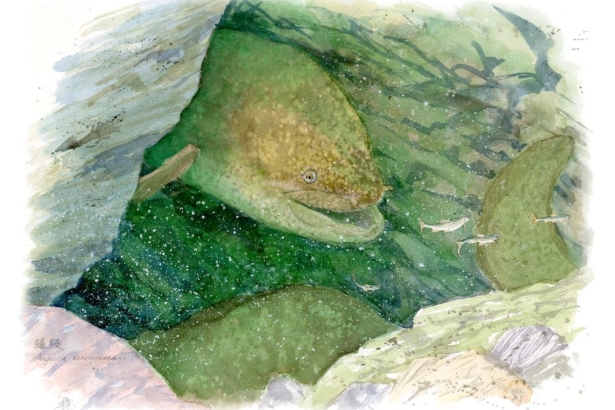
The indigo snake is the largest non-venomous snake species in North America
The indigo snake is a large non-venomous snake found in the Americas, named for its glossy blue-black coloration across its entire body, and is often called the indigo snake in English. It belongs to the genus Drymarchon among snakes, and the eastern indigo snake native to the southeastern United States is generally considered the largest native snake species in North America, with adults reaching a body length of more than two meters.
The indigo snake is a diurnal snake, active during the day, agile in movement and quick to react. Its diet is very broad, mainly preying on rodents, birds, frogs, lizards and other snakes, even including venomous snakes such as rattlesnakes, and it has a certain tolerance to some snake venoms. When hunting, it does not rely on venom, but uses a powerful bite to seize and subdue its prey.
In the wild, the indigo snake mostly inhabits pine forests, scrubland, sandy areas and wetland edges, and often uses burrows left by burrowing animals such as gopher tortoises to escape heat and cold. Due to habitat reduction and fragmentation, populations in some areas have declined noticeably, and it has been listed as a protected animal in its countries of origin, with capture and trade subject to legal restrictions.
When kept as a pet, the indigo snake requires a large activity space, a suitable temperature gradient and a varied diet, and before keeping one you should first find out whether local regulations permit it. Although it is non-venomous and generally gentle in temperament, it may still bite when startled, so daily handling should be patient and gentle.
Related Reading