Rice cultivation techniques cover the full range of key points from seed selection and seedling raising to field management
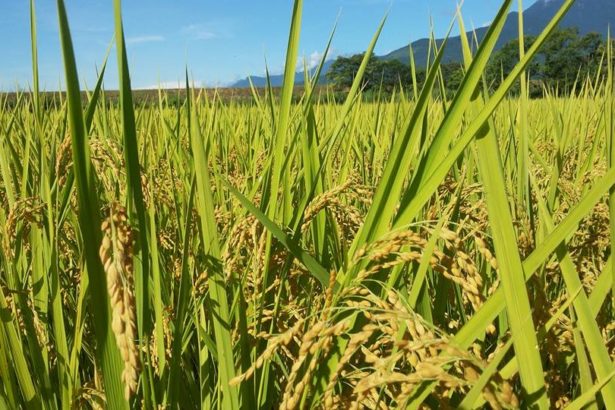
Rice cultivation techniques refer to the entire set of production methods surrounding rice, from land preparation, seed selection, seedling raising and transplanting to water and fertilizer management, pest and disease control and harvesting, and they directly affect the yield and quality of the paddy grain. Climate, soil and irrigation conditions differ from place to place, so the specific practices adopted also vary, but the basic process is broadly similar.
In the seedling raising and transplanting stages, common methods include dry seedling raising, wet seedling raising and centralized factory seedling raising, while planting can take different forms such as manual transplanting, mechanical transplanting, seedling throwing or direct seeding. Mechanical transplanting and direct seeding have been promoted fairly quickly in recent years and can noticeably save labor, but they also place higher demands on the flatness of land preparation and the uniformity of sowing.
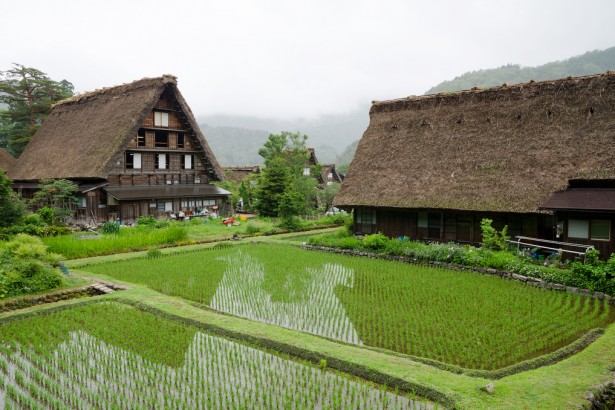
Water and nutrient management are at the core of rice cultivation. For water, the principle generally followed is shallow water to promote tillering, sunning the field once enough tillers have developed, and alternating wet and dry conditions in the later stage, which both meets the water needs of rice growth and helps keep the root system strong and control ineffective tillering. For fertilization, a combination of basal fertilizer, tillering fertilizer and ear fertilizer is mostly adopted, and soil testing and formula fertilization based on soil fertility is advocated to avoid blind and excessive application of nitrogen fertilizer.
Pest and disease control adheres to prevention first and integrated control, with key attention to common pests and diseases such as rice blast, sheath blight, bacterial leaf blight, as well as rice planthoppers and stem borers, and monitoring and control of ear diseases should be strengthened especially around the booting and heading stage. With the promotion of mechanization and green production concepts, techniques such as water-saving irrigation, straw return to the field and green control are becoming increasingly widespread, and rice cultivation is developing in the direction of saving labor, saving water, high efficiency and ecological friendliness.
Related Reading