Rice Pest and Disease Control Methods and Key Technical Points: Scientific Management for a Bountiful Harvest
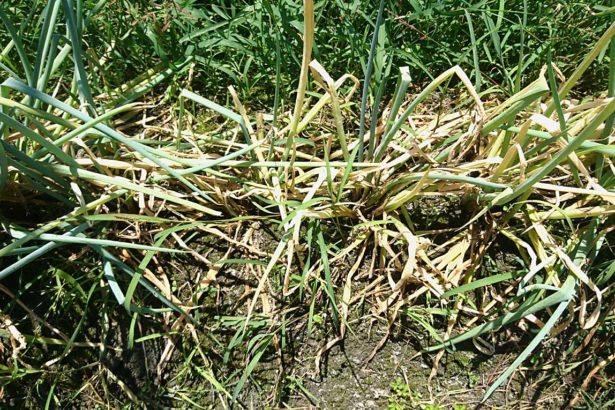
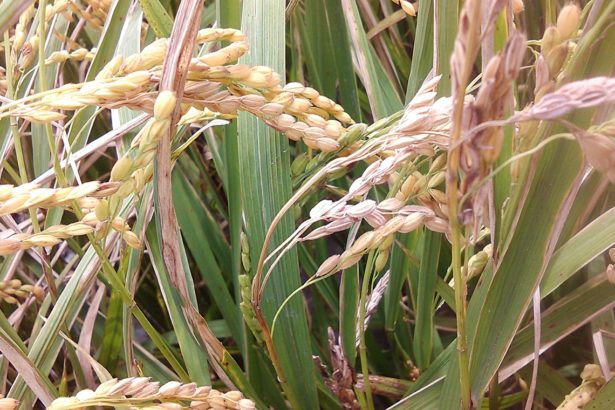
Rice pest and disease control refers to the production management step of adopting comprehensive measures to prevent and manage the various diseases and insect pests that appear throughout the entire growth period of rice. Rice can be attacked by pests and diseases from the seedling stage to the maturity stage. Common diseases include rice blast, sheath blight, and bacterial leaf blight, while common insect pests include the brown planthopper, the striped stem borer, and the rice leaf roller. Control work follows the principle of prevention first and integrated management, with the goal of keeping losses to a minimum level.
In terms of measures, control methods can be roughly divided into several categories: agricultural control, biological control, physical control, and chemical control. Agricultural control focuses on selecting varieties with better resistance, rational crop rotation, and scientific water and fertilizer management, so as to strengthen the rice plants' constitution from the source; biological control reduces pest population density by protecting natural enemies such as frogs, spiders, and parasitic wasps; physical control can use tools such as insect-killing lamps and sex pheromone lures to trap and kill adult insects.
Chemical control remains an important means of dealing with sudden outbreaks of pests and diseases, and the key lies in choosing the right pesticide, seizing the right timing, and controlling the dosage. The peak tillering stage and the booting-to-heading stage are usually the key stages when diseases are more likely to occur, and require focused inspection; when spraying, high-temperature periods should be avoided, and attention should be paid to rotating pesticides in order to delay the development of pest and disease resistance.
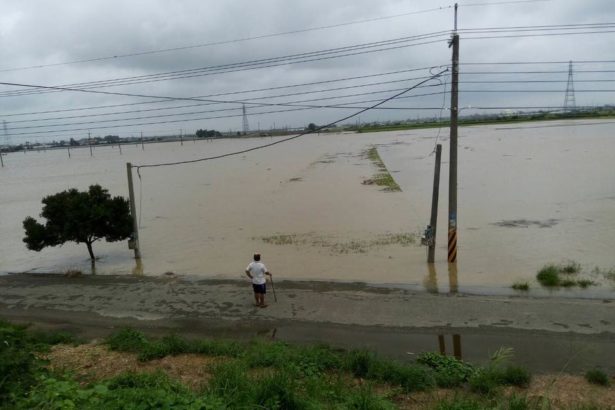
In actual production, many farmers tend to emphasize treatment over prevention, applying pesticides only after symptoms become obvious, which often yields limited results. It is recommended to observe field growth more often in normal times and to prevent problems in advance in light of weather changes, especially after consecutive rainy days when field humidity is high, which is even more conducive to the reproduction and spread of pathogens. Doing a good job in pest and disease control not only reduces yield losses but also helps improve rice quality and maintain the long-term health of the rice field ecosystem.
Related Reading