An Introduction to Common Rice Pests and Diseases and Their Control Methods
Rice pests and diseases is the collective term for the various problems caused during the rice growing process by infection with pathogenic microorganisms or feeding damage by insect pests. They affect key stages of rice such as tillering, heading and grain filling, and in severe outbreaks they can cause significant yield losses, making them a field management concern that requires major attention in rice production.
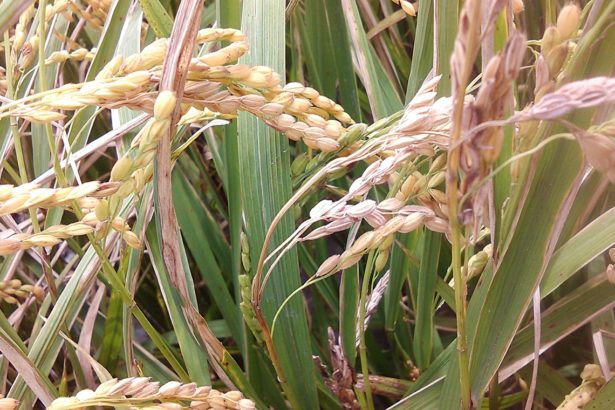
Common rice diseases include rice blast, sheath blight, bacterial leaf blight and rice false smut. Among them, rice blast can occur on leaves, the neck of the panicle and other parts, with neck blast having a particularly pronounced effect on yield; sheath blight, meanwhile, tends to be more severe in fields with high temperature and high humidity and overly dense planting, so special attention is needed in field management.
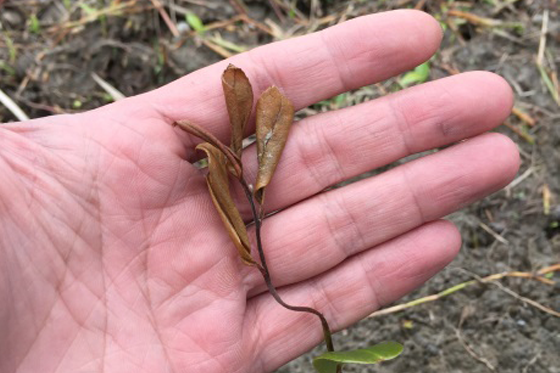
The main insect pests include the brown planthopper, the rice leaf roller, and stem borers such as the striped stem borer and the yellow stem borer. Brown planthoppers often gather at the base of the rice plant to pierce and suck sap, and may also transmit viral diseases; stem borers, for their part, bore into the rice stem as larvae and cause damage, typically showing symptoms such as deadheart and whiteheads in the field, which are easily confused with physiological disorders.
For control, an approach based on agricultural control is advocated, with integrated use of physical, biological and chemical methods. Reasonable crop rotation and scientific fertilisation and water management can strengthen the rice plant's own resistance, and selecting disease-resistant varieties and protecting and using natural enemies in the field are also important; when necessary, pesticides can be applied at the appropriate time according to the occurrence patterns of pests and diseases, with attention to rotating chemicals to delay the development of pesticide resistance.
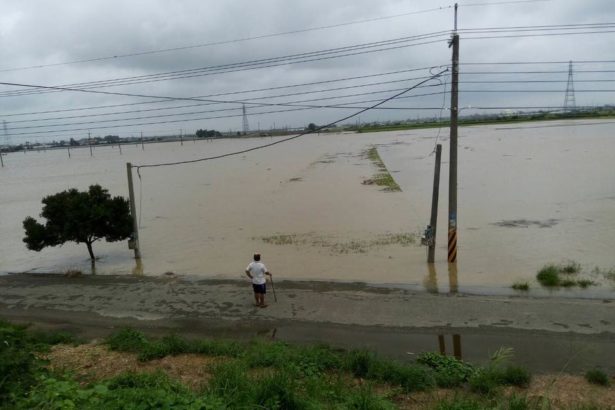
During production, field inspections should also be carried out promptly, especially under weather conditions such as prolonged rain and after typhoons, when pests and diseases tend to increase and spread easily. Seizing the key period for early prevention is usually more labour- and cost-saving than remedial action after an outbreak, and is also more conducive to stabilising rice yield and quality.
Related Reading