Bitter tea tree plantation pest and disease record: field observations in Nan'ao, Yilan
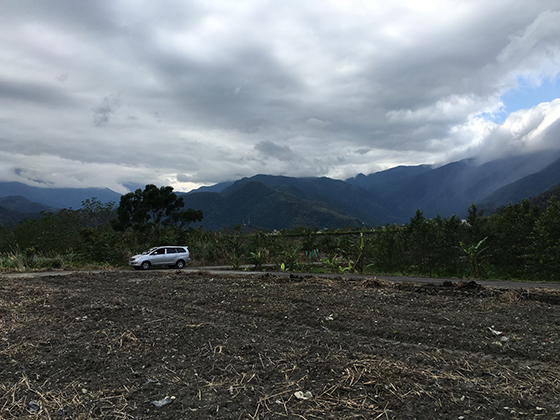
During each period, the Tea Seed Hall agricultural planning team has to record the pest and disease conditions of the seedlings in the newly planted bitter tea (Camellia) orchards, and at the same time test the pH value and moisture content of each plot of farmland.
Observing the planting environment is the most important stage of cultivation management, so that we can understand whether the planted seedlings can adapt. Because plants cannot speak, we can only judge whether the plants are living reasonably happily through many environmental situations and conditions, the state of the plants, and the way farmers manage cultivation.
We checked each plot of farmland one by one. One plot had more pest and disease problems; because its terrain is too low and it is adjacent to the riverbed, poor drainage led to excessively high moisture content, which we surmised was the main cause. In addition, the weather on the day of transplanting was also an influencing factor. The transplanting date for this plot happened to coincide with Taiwan's rare cold wave, and excessively low temperatures and rainy weather may have caused root frost damage.
Seeing that the bitter tea seedlings were somewhat damaged, we could not help but reassess this field closer to the riverbed. It is possible that the excessively high soil moisture content and the rare cold damage made the seedlings weaker, reducing their tolerance to environmental changes, pests, and diseases, but many seedlings still held on, so we will just wait and see how things develop.
Facing these seedlings really feels like caring for a small baby: very nervous, very afraid they will not eat enough, not sleep warm, catch a chill, or get sick. Our hearts kept worrying. Plants, like people, need careful attention.
After finishing the day's schedule, we chatted with Brother Su, who is contract-farming with us. In the conversation, Brother Su slowly explained that he planted these bitter tea seedlings to leave them for his grandchildren. At Chinese New Year, he would tell his grandchildren that this plot is for this grandchild and that plot is for that grandchild. Brother Su had long since decided in his heart that he must take good care of these small seedlings and let them grow up healthily, so that he could leave his grandchildren a beautiful grove. We thought to ourselves that Brother Su planted these bitter tea trees only in the hope that someone in his family would be willing to carry it on. After all, his children all work elsewhere, and this would give his grandchildren one more opportunity to come home.
Perhaps in the future, every year during the October bitter tea seed harvest season will be the day their whole family reunites.