Kiwifruit Benefits Overview: Nutritional Value and Dietary Precautions
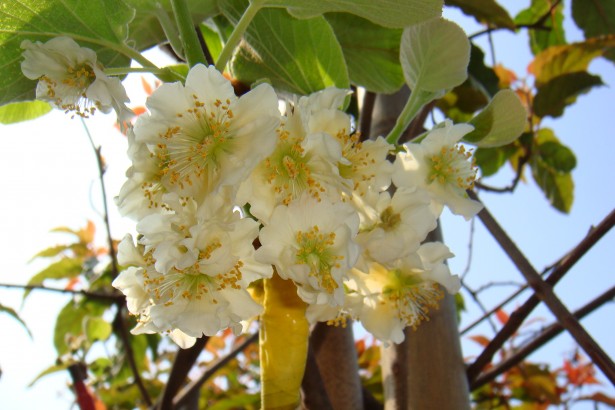
Kiwifruit is the fruit of plants in the genus Actinidia, and it shares a deep connection with the native mihoutao (kiwi) of China. What is commonly called kiwifruit usually refers to improved, selectively bred types of Actinidia; the fruit is oval in shape, covered with brown fuzz on the skin, with emerald green or golden yellow flesh and a ring of tiny black seeds at the center. It tastes sweet and tart with plenty of juice, and it is a common fruit in everyday life.
The benefits of kiwifruit lie mainly in its nutritional content. Its most notable feature is a relatively high vitamin C content, and it also contains dietary fiber, potassium and other nutrients the human body needs. Dietary fiber helps promote intestinal peristalsis and can be somewhat helpful for smooth bowel movements; components such as actinidin in the flesh can help break down protein, so many people eat it after meals and find it refreshing and good for cutting through greasiness.
In terms of varieties, kiwifruit on the market can be broadly divided into green-fleshed, yellow-fleshed and red-fleshed types. Green-fleshed fruit tends to be more sour, yellow-fleshed fruit is sweeter, and red-fleshed fruit has delicate flesh with a balanced sweet-tart ratio. Different varieties differ slightly in flavor and texture, but their overall nutritional characteristics are similar, and consumers can choose according to personal taste.
When eating, it is best to wait until the fruit is soft and ripe; unripe kiwifruit tastes rather astringent. If you do not plan to eat it right after buying, you can put it at room temperature with apples or bananas to ripen it, and refrigerating it after it is fully ripe can extend its storage time. It should be noted that kiwifruit is an everyday fruit, and its benefits come from balanced intake over the long term; it cannot replace medication or serve as a treatment. People who are allergic to kiwifruit or have sensitive stomachs are advised to try a small amount first and avoid eating large quantities on an empty stomach.
Related Reading