What traditional activities and beautiful meanings are associated with the customs of Qixi Festival
The Qixi Festival falls on the seventh day of the seventh lunar month each year. Also known as the Festival of Seeking Skills or the Daughters' Festival, it is an important traditional festival in China. The festival originates from the folk legend of the Cowherd and the Weaver Girl. According to the legend, the Weaver Girl was clever and skillful with her hands, so girls would pray to her on this day for wisdom and dexterity. For this reason, most Qixi customs revolve around seeking skills.
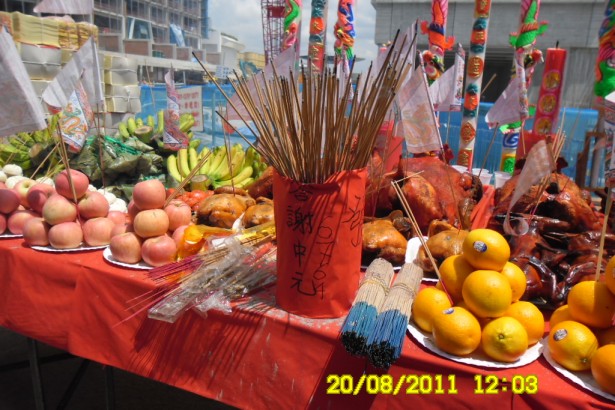
Threading a needle to seek skills is the most common traditional activity. Women compete in threading needles under the moonlight, and the first to finish is considered to have gained skill. There are also entertaining practices such as dropping needles to test skill and letting spiders weave webs to confirm skill, all expressing people's hopes for dexterity and a happy life. In some places, people also worship the Weaver Girl or the Star of Literature on this day, praying respectively for skill and for success in examinations and official careers.
In terms of food, qiaoguo is the representative pastry of Qixi. It is usually made from wheat flour or rice flour, deep-fried or baked, and then shaped into various patterns, with a crisp, sweet taste. In the old days, there was also the custom of airing books and clothes on Qixi. People took advantage of fine weather to dry clothing and books in order to prevent moisture and insect damage. Ways of celebrating vary from place to place, but all reflect the common theme of praying for happiness and pursuing a better life.
Today, because of the love legend of the Cowherd and the Weaver Girl, the Qixi Festival has been given a romantic flavor and is often regarded as the Chinese traditional Valentine's Day. Many couples give each other gifts and express their feelings on this day. No matter how the forms change, the diligence, cleverness, and good wishes carried by the festival have always been the most moving cultural meaning in Qixi customs.
Related Reading