What crop is highland barley? Characteristics and ways to eat the plateau's staple grain
Highland barley is a type of barley belonging to the grass family. Because its grains shed their husks easily and separate from the kernel once ripe, it is also called naked barley, yuanmai or rice barley. It is an important food crop in the Qinghai-Tibet Plateau region, with a long history of cultivation, and has long been the staple food ingredient of local residents.
The most striking feature of highland barley is its tolerance of cold, drought and poor soil, along with a relatively short growing period, allowing it to grow and mature normally in environments with high altitude, low temperatures and a short frost-free period. It is precisely this strong adaptability to harsh conditions that gives highland barley an irreplaceable place in plateau agriculture.
Classified by grain color, highland barley commonly includes white highland barley, black highland barley, blue highland barley and other types, with slight differences in appearance and taste among varieties. In terms of cultivation, it is generally sown in spring and harvested in autumn, with the specific timing varying according to altitude and local climatic conditions.
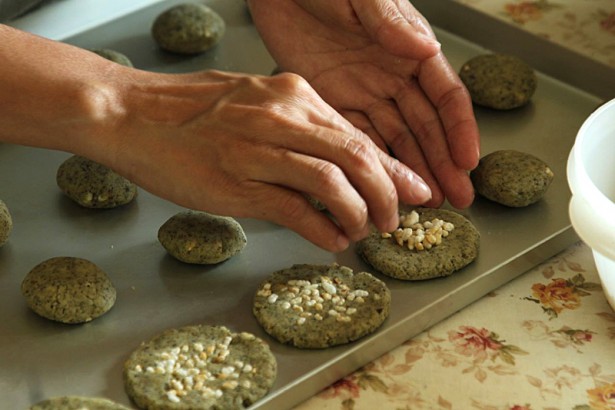
As for eating, highland barley is often ground into flour to make tsampa, and can also be used to brew highland barley wine, or cooked into porridge or made into various flour-based foods. It contains dietary fiber and beta-glucan, among other components, and as a coarse grain paired with the daily diet, it is welcomed by many people who pay attention to healthy eating. Note that highland barley has a relatively coarse texture, so when eating it for the first time, it can be cooked mixed with rice or white flour to adapt gradually.
Related reading