The custom of tomb sweeping at Qingming has a long history, and green memorial practices are gradually becoming a new trend
The custom of tomb sweeping at Qingming is a traditional activity of paying respects to ancestors and commemorating the deceased during the Qingming Festival, and it is also one of the most representative folk customs of this solar term. On this day, people visit the graves of their forebears, clear away weeds, add fresh soil, and offer sacrifices to express remembrance and respect. This custom gradually merged with the ancient Cold Food Festival tradition of banning fire and eating cold food, and it has continued to the present day over a long history.
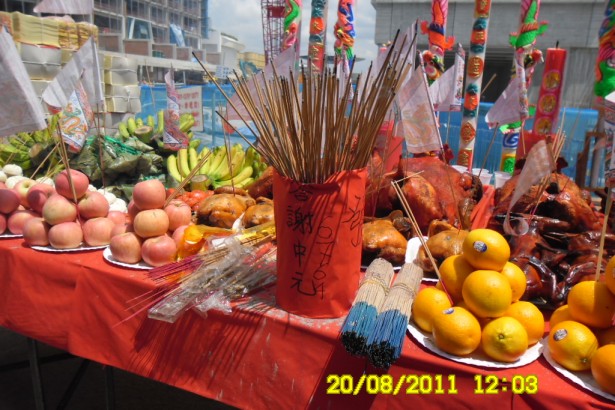
Traditional tomb sweeping generally includes steps such as weeding and adding soil, laying out offerings and paying respects, and burning incense and paper money, and in some regions there are also accompanying activities such as inserting willow branches and spring outings. As times change, the ways of memorializing are also constantly being updated, and forms such as flower memorials, tree planting in remembrance, and family remembrances have gradually become popular, preserving a solemn sense of ritual while also reducing fire hazards and environmental pollution.
Tomb sweeping is mostly carried out around Qingming, and there is a folk saying of ten days before and ten days after; the timing arrangements vary slightly from place to place, and people can choose flexibly according to local customs. During memorial activities, attention must be paid to fire safety; in mountain and forest cemetery areas, fire prevention regulations should be observed, and open flames should be avoided as much as possible. During peak travel periods, crowds and traffic are concentrated, so planning routes in advance and traveling at off-peak times will make the trip more relaxed.
For many people, tomb sweeping at Qingming is not only a way to remember ancestors, but also an opportunity for family members to reunite and pass on family traditions. Bringing children along to pay respects and telling stories of ancestors helps the younger generation understand family history and appreciate the cultural meaning of carefully attending to the end and remembering those who came before.