Types, Characteristics and Safe Use of Herbicides for Celery
Herbicides for celery refer to a class of pesticides used to control field weeds during celery cultivation. Celery seedlings grow slowly, and the plants close their rows relatively late, so various weeds tend to flourish in the field, competing with celery for water, nutrients and light and affecting yield and quality. Therefore, the rational use of herbicides is one of the common field management measures in celery cultivation.
In terms of timing of use, celery herbicides are generally divided into soil treatment agents applied before seedling raising or before transplanting, and treatment agents sprayed on weed stems and leaves during the growing period. Most common products are selective herbicides, targeting grass weeds or broadleaf weeds respectively. Farmers should choose the right product according to the weed species in the field, and at the same time confirm that the product is registered for use on celery, so as to avoid misuse that causes phytotoxicity.
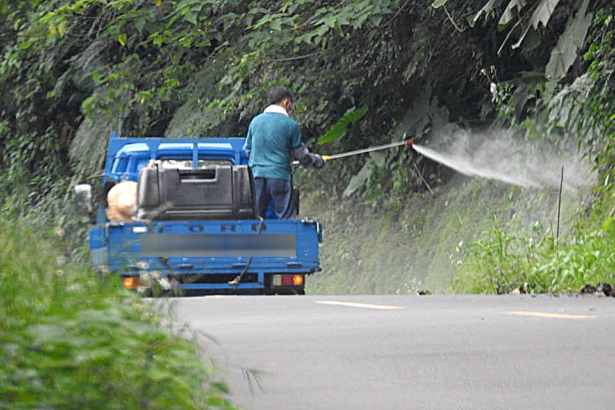
When using them, operations should strictly follow the applicable crops, dosage and methods stated on the label, and the dose must not be increased at will or products mixed blindly. Celery is relatively sensitive to some herbicides, and improper use can easily cause symptoms such as yellowing, stunting and deformity. When spraying, also pay attention to wind direction and surrounding crops to prevent spray drift from affecting neighboring fields or sensitive crops.
In recent years, the abuse of herbicides and residue issues have attracted widespread attention, and some areas have imposed restrictions on their use in non-agricultural areas. As a leafy vegetable, celery warrants even greater attention to the pre-harvest interval to ensure that the harvested product meets residue standards. At the same time, friendly methods such as plastic film mulching, manual weeding and biological herbicides are also being gradually promoted, offering more choices for reducing reliance on chemical agents.
Related reading