Grape pest and disease control starts with identifying the common types
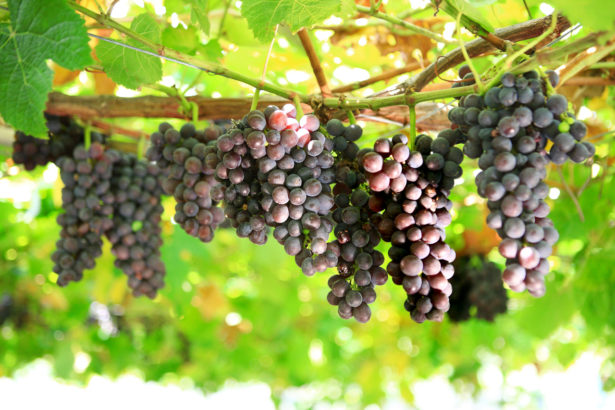
Grape pests and diseases is the collective term for the damage caused during grape cultivation by pathogenic microorganisms such as fungi, bacteria and viruses, as well as by various insect pests. Grapes have a long growth cycle, dense foliage and high-sugar fruit, making them vulnerable to attack by many pathogens and pests, so pest and disease prevention and control is an unavoidable part of orchard management.
Among common diseases, downy mildew, white rot, gray mold, black pox and anthracnose are fairly widespread in most production areas. Downy mildew tends to become epidemic in humid, rainy seasons and mainly damages leaves and young fruit; gray mold occurs mostly at flowering and fruit ripening, causing rot of flower clusters and fruit drop, with a relatively large impact on yield.
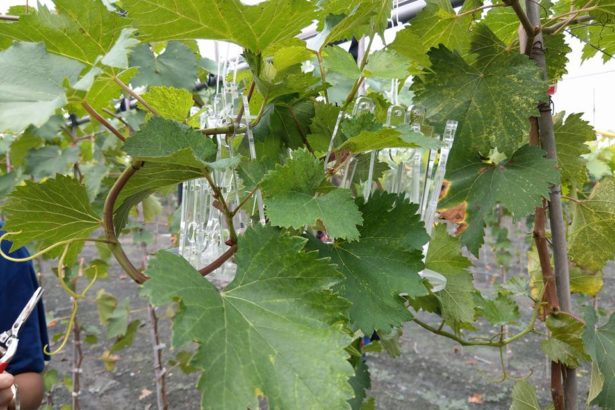
As for insect pests, the grape clearwing moth, leafhoppers, green plant bugs, red spider mites and thrips are relatively common. Clearwing moth larvae bore into shoots and vines, often causing the upper parts of branches to wither; leafhoppers and thrips live by sucking sap, affecting normal leaf growth; red spider mites reproduce quickly in dry environments and easily cause leaf chlorosis and early defoliation.
For control, prevention first and integrated measures are advocated. Agricultural control includes rational pruning, winter orchard sanitation, timely removal of diseased branches and fruit, and strengthening tree vigor through scientific water and fertilizer management; physical and biological methods can be combined with insecticidal lamps, insect-proof nets and protection of natural enemies; chemical control should select the appropriate pesticide for different pests and diseases, pay attention to rotating chemicals, grasp the key control periods, and strictly observe the pre-harvest interval.
In daily management, growers should patrol the orchard frequently, watch for changes in leaves, new shoots and fruit clusters, and achieve early detection and early treatment. If pests and diseases are severe or the species are difficult to identify accurately, consult the local agricultural technology department or professionals to avoid unnecessary losses caused by blind pesticide use.
Related Reading