Agricultural farming covers aquaculture, livestock and poultry, with an emphasis on sustainable operation
Agricultural farming is an important part of agricultural production, broadly referring to activities in which animals and plants are raised through artificial management to obtain economic returns or meet daily needs. Unlike purely growing crops, farming places greater emphasis on continuous care throughout the entire growth process of the organisms, including feeding, breeding, disease prevention and environmental regulation, and requires a considerable investment of time and technology.
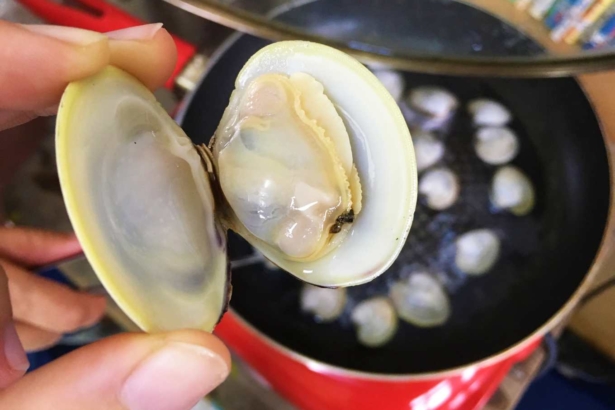
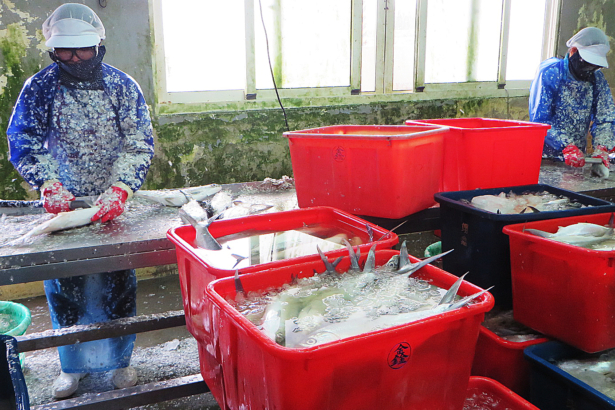
Depending on the target, agricultural farming can be roughly divided into types such as aquaculture, livestock and poultry farming, and specialty farming. Aquaculture focuses mainly on fish, shrimp, shellfish and algae, and is mostly distributed in coastal areas, fish ponds or inland waters; livestock and poultry farming covers domestic animals and poultry such as pigs, cattle, sheep, chickens and ducks; specialty farming, meanwhile, includes more distinctive operations such as bees and ornamental fish. Each type of farming has its own emphasis in terms of facility conditions, water quality and soil management, and technical requirements.
The farming industry not only supplies the market with meat, eggs, milk and aquatic products, but also supports related industries such as feed processing and food processing, and is an important source of livelihood in many rural areas. In recent years, the concept of circular agriculture has gradually become widespread; farm waste, after proper treatment, can be returned to farmland for use, forming a complementary relationship with crop cultivation and improving overall resource use efficiency.
In actual operations, farmers often face issues such as disease prevention and control, water quality and environmental impact. Taking aquaculture as an example, excessive extraction of groundwater may bring the risk of land subsidence, so water-saving practices such as recirculating water use are receiving increasing attention. Choosing a farming method suited to local conditions and land attributes, while balancing disease prevention, environmental protection and market demand, is the key to stable long-term operation.
Related Reading