The mud snake is a small, semi-aquatic snake commonly found in paddy fields in southern China.
Mud snake is the most common folk name for the Chinese water snake (Myrrophis chinensis), which is mainly distributed in warm, humid regions such as South China and East China. It is not large in size; adults are generally only a few dozen centimeters long, with backs that are mostly olive or grayish brown and often marked with dark patterns, making it a typical semi-aquatic snake.
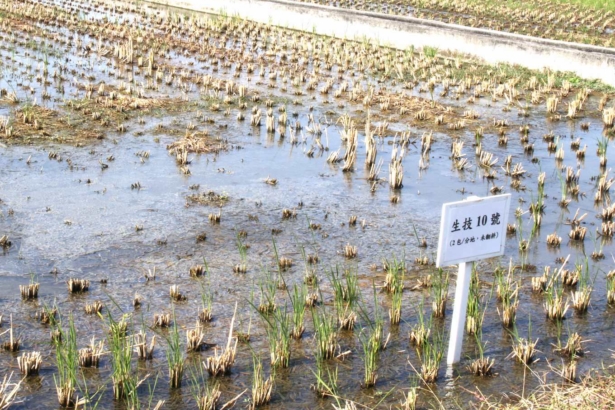
The mud snake lives year-round in shallow-water environments such as paddy fields, ditches, ponds and marshes. It is a strong swimmer, and when startled it often dives to the bottom or burrows into the mud to hide. It feeds on small fish, loaches, frogs and tadpoles, and moves swiftly when hunting. Unlike most egg-laying snakes, the mud snake is ovoviviparous, giving birth directly to live young, which is quite unusual among snakes.
Although the mud snake is a rear-fanged species with mild venom, its fangs are located at the back of its mouth, so it poses little threat to humans. Keeping one's distance on encountering it is enough; there is no need to panic excessively. Because it often appears in paddy fields and ditches, it is easily mistaken for a dangerous venomous water snake, but in fact the two differ clearly in both shape and body color.
From an ecological perspective, the mud snake preys on small fish and frogs and is itself prey for animals such as water birds. It is one link in the wetland food chain and plays a role in maintaining the ecological balance of farmland. At present, the Chinese water snake has been included in China's list of terrestrial wildlife with important ecological, scientific and social value, so catching or harming it at will is inappropriate. If you encounter one in the fields, simply observe it and let it leave on its own.
Related Reading