A Complete Introduction to the Characteristics and Common Uses of Lemon Leaves
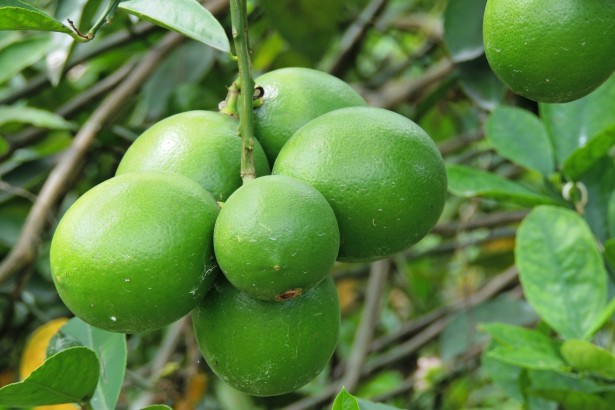
Lemon leaves are the leaves of the lemon tree, a plant in the genus Citrus of the family Rutaceae. They are mostly leathery and oval-shaped, with shallow serrations along the leaf margins and a glossy, shiny surface. After rubbing the leaves, they give off a fresh lemon aroma. This fragrance mainly comes from the volatile essential oils contained in the leaves, which is also the reason they are widely used in the kitchen and in daily life.
In cooking, lemon leaves are often used to add aroma and to remove fishiness and enhance flavor. Fresh leaves can be put directly into soups, stews, or steamed seafood, while dried leaves are suitable for brewing tea or grinding into a seasoning powder. It is worth noting that the lemon leaves commonly seen in Southeast Asian cuisine mostly refer to kaffir lime leaves, whose petioles are attached to two leaf blades, making them look like conjoined leaves, slightly different from the leaves of an ordinary lemon tree, so they should be carefully distinguished when purchasing.
Besides being used in cooking, lemon leaves also have certain horticultural and ornamental value. The lemon tree is evergreen all year round, and its leaves are glossy and attractive. When grown at home, daily pruning can yield quite a few leaves, which are very suitable for bathing, boiling in water, or use as a natural aromatic material.
When using lemon leaves, it is recommended to choose leaves that are emerald green and free of spots or insect damage. If you cannot use them all at once, you can seal them in a plastic bag and keep them refrigerated, or wash and sun-dry them and then put them into a sealed container. This way the aroma can be maintained longer, and you can take them out whenever needed.
Related Reading