How to Tell Lemons and Limes Apart: A Guide to Distinguishing Golden Lemons and Perfume Lemons
People often call imported yellow lemons "limes" and domestically grown green lemons "lemons," but in fact both lemons and limes can have green or yellow skin depending on how ripe the fruit is, so telling them apart by color easily leads to confusion. In the Taiwan, China market, lemons are mainly used as a raw material for juice, where aroma and sourness are what matter, so green-skinned lemons at 7-8 parts ripe are the norm, while in Western countries lemons are usually eaten directly, so they are typically harvested when the fruit is nearly fully ripe and turning yellow; the aroma and acidity drop slightly, but the fruit takes on a touch of sweetness.
Lemons, limes, golden lemons and perfume lemons are not the same
In Taiwan, China, lemons are also called "seeded lemons" or "four-season lemons," but these are only commercial names; the true variety name is "Eureka," one of the world's main lemon cultivars. Its fruit is slightly oval, with thick, rough skin, and the oil cells on the skin are also relatively coarse and large; the flesh is pale yellow, and it contains seeds.
The aromatic, sour citrus fruits most easily confused with lemons by consumers in the Taiwan, China market today are limes, golden lemons and perfume lemons. Limes and lemons are different species under the genus Citrus. Because their appearance and taste resemble lemons, and because they are triploid and their fruit has no seeds, they are also called "seedless lemons" the true variety name is "Tahiti." The fruit is rounder, the skin smooth and thin, and the oil cells on the skin are finer and smaller; the flesh is pale yellow-green.
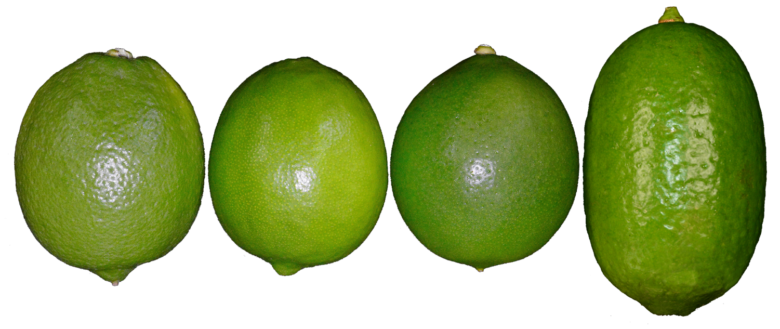


Lead image: photo credit: DurhamDundee 19/366 They sold me a “lemon” via photopin (license)
For more professional agricultural technology news, please scan the QR code to follow WeChat: NongXunNET

Please indicate the source when reprinting.