Papaya trees grow fast and bear fruit early, so mastering their characteristics and planting methods is key
The papaya tree is an evergreen soft-wooded small tree in the family Caricaceae and genus Carica, native to tropical America and now widely cultivated in warm, humid regions such as South China and Taiwan, China. It grows quickly and takes only a short time from planting to flowering and fruiting. Its fruit is nutritious and delicately fragrant, making it one of the important fruit trees of the tropics.
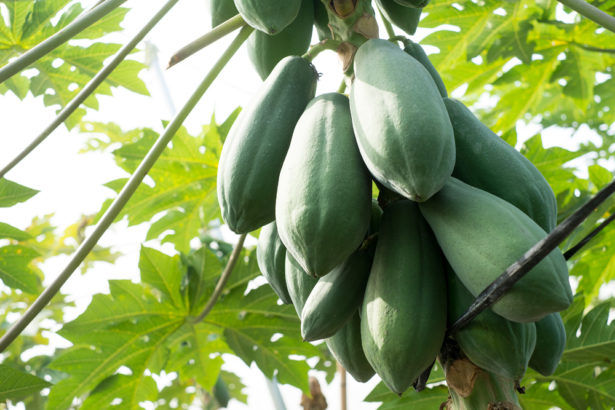
The papaya tree has an upright trunk with a soft pithy center. Its large leaves are deeply palmately lobed and mostly clustered at the top of the stem. Its flowers are diverse in sex, with female, male and hermaphroditic plants. The fruit is an oblong or pear-shaped berry; when ripe, the flesh is orange-yellow, soft and juicy. Besides being eaten fresh, it is often processed into juice, jam or enzyme-type products.
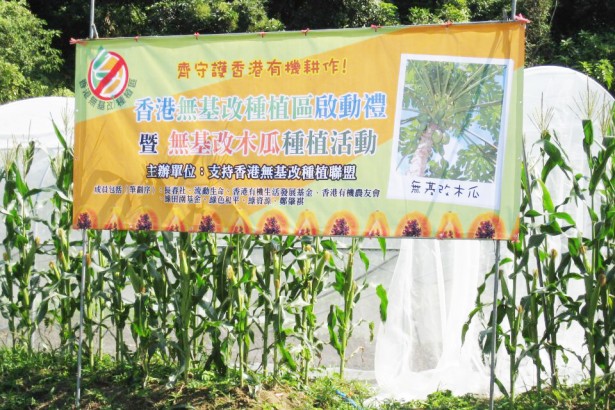
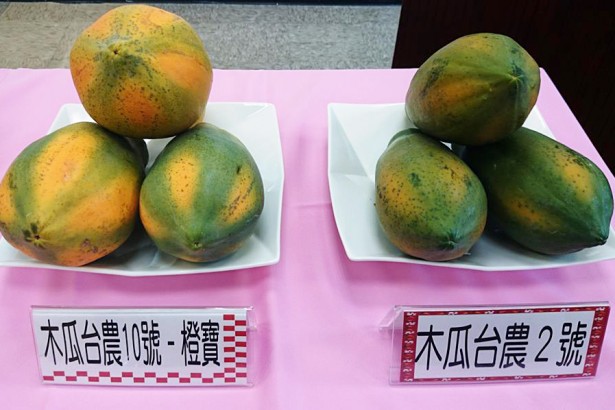
In terms of varieties, different regions have bred lines with distinctive fruit shape, sweetness and resistance. The Tainong series commonly seen in Taiwan, China, and the new variety Chengbao released by agricultural research institutions are both relatively notable cultivated varieties. In addition, the cultivation and import of genetically modified papaya have also been frequently discussed in recent years, and farmers buying seedlings should pay attention to the legality of the source and local regulations.
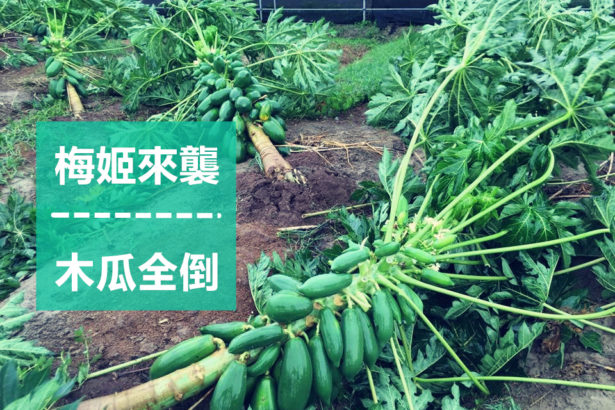
The papaya tree prefers a warm, humid environment with ample sunlight. It has poor cold tolerance and is easily damaged by frost, so it is suited to deep, well-drained sandy loam. In daily management, attention should be paid to pests and diseases such as papaya ringspot virus and red spider mites; in commercial production, screen-house cultivation is often used to reduce the risk of virus transmission. As long as temperature, water and fertilizer are managed properly, the papaya tree will keep flowering and fruiting, bringing a stable harvest.
Related Reading