KANO's Nail-in-Papaya Theory Inspires, but Experts Call It a Beautiful Misunderstanding
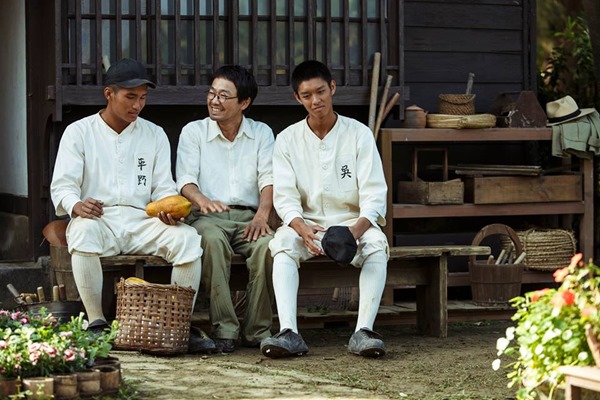
Recently the film KANO has sparked plenty of discussion, from Taiwan's subjectivity to Takao Osawa's dashing cameo, all the way to young actor Tsao Yu-ning's performance -- all topics the public has been following. The "papaya theory" mentioned in the film is another example: a nail driven into the base of a papaya tree stimulates the papaya's sense of crisis, making it grow plump, beautiful fruit, symbolizing the tough will of young baseball players striving against adversity.
This article discusses the papaya theory in the film KANO, and the discussion will focus on the connection between papayas and nails. It absolutely will not spoil or reveal other plot points of the film, so those who have not yet seen KANO can read this article with peace of mind.
In the film, the Japanese teacher at Kagi Agricultural and Forestry School, in order to encourage the young baseball players to fight on tirelessly, leads the students to a papaya orchard, points to a nail at the base of a papaya tree, and says that the papaya tree, harmed by it, is spurred by a sense of crisis for survival, desperately bears fruit, and thus grows large, beautiful papayas.

Papaya farmers don't use nails, so why does the folk saying "nailing a papaya with an iron nail helps it bear fruit" circulate in Taiwan? Wang Jen-huang, an assistant research fellow at the Kaohsiung District Agricultural Research and Extension Station who specializes in papaya breeding, believes this is actually a beautiful misunderstanding.
Wang Jen-huang explains that papayas are divided into male plants, female plants and hermaphroditic plants. Male plants flower but do not bear fruit; only female plants and hermaphroditic plants bear fruit. Most papayas commonly seen on the market today are the fruit of hermaphroditic plants.
The folk saying goes that driving an iron nail into a papaya trunk can turn a non-fruiting male papaya tree into a fruiting female papaya tree. Wang Jen-huang says that if the genetic makeup is male, it can never be converted into a female plant. However, if a hermaphroditic plant encounters low temperatures or poor nutrition, it will indeed fail to bear fruit for a period. "This is the papaya's own way of regulating nutrients. If a papaya bears fruit while it is very weak, that is harmful to the papaya itself."
"For the papaya, it hopes to sustain its life by not setting fruit, so that a few months later it can produce normal hermaphroditic flowers and then set fruit normally," Wang Jen-huang says. When farmers see a papaya not bearing fruit, whether or not a nail has been driven in, the papaya will still bear fruit normally a month or two later, which creates the impression among the public that "driving a nail into a papaya can promote fruiting."
Hoping for a papaya theory with "papaya subjectivity"
The film KANO mentions that the adversity brought by an iron nail can make a papaya produce plump, beautiful fruit. But Wang Jen-huang believes that papayas do not need adversity to flower and fruit. "Because papayas flower continuously, unlike crops such as mango and wax apple that flower only once a year. If you drive a nail into a papaya to create adversity, it will instead make the papaya susceptible to infection during the rainy season and die. The flowering and fruiting of papayas is a complex issue; those who don't understand it are like the blind men touching an elephant, usually touching places they shouldn't touch…."
Finally, looking back at KANO's "papaya theory," it is actually still quite inspiring: when facing adversity, one must maintain a tireless fighting spirit. But for papayas, it seems we still need a better grasp of how papayas grow in order to develop a "papaya theory" with "papaya subjectivity."
(This article was funded by the Jianzhen Environmental Education Foundation for personnel expenses, but the foundation does not interfere at all with news topic selection or interview writing, ensuring journalistic independence.)
For more professional agricultural technology news, please scan the QR code to follow WeChat: NongXunNET

Please indicate the source when reposting.