Wood Ear Mushroom Benefits and Nutritional Analysis: Understanding the Edible Value of Black Wood Ear and White Wood Ear
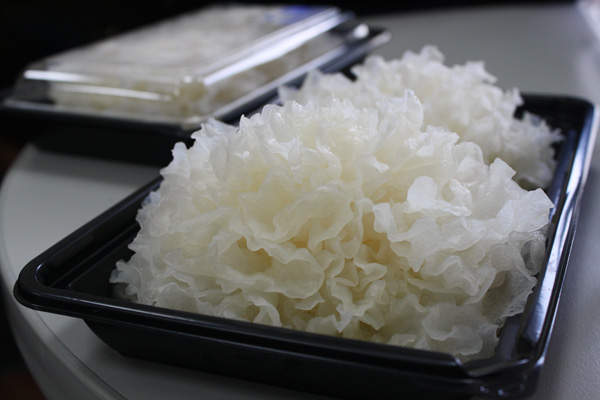
Wood ear is a common edible fungus, with black wood ear and white wood ear (also known as silver ear) being the most common on the market. Black wood ear has a crisp, refreshing texture, while white wood ear releases gelatinous substances after stewing and becomes smooth and tender; the two have their own distinctive uses in cooking.
Wood ear is low in calories and contains dietary fiber and polysaccharides. After soaking, it expands in volume and easily brings a feeling of fullness, so it is often discussed in relation to intestinal motility and weight management. However, wood ear is an ordinary food, and according to regulations, health benefits may not be claimed without health food certification; related statements should still be based on official information.
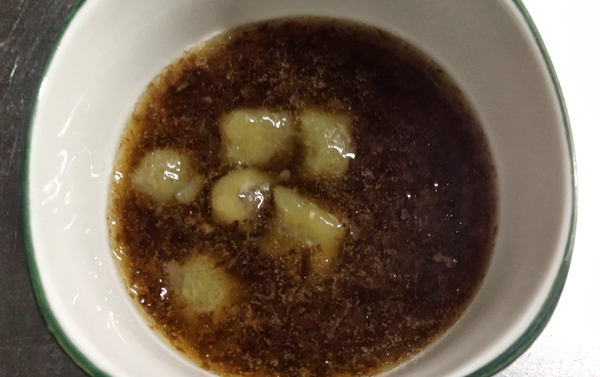
In everyday cooking, wood ear is quite versatile; it is suitable for cold dishes, quick stir-fries, and soups, and can also be processed into drinks such as wood ear jelly, or paired with sweet potato balls to make a summer dessert. When purchasing, pay attention to the place of origin and freshness. The Zhongpu area of Chiayi, Taiwan, China, is a well-known black wood ear production area, while white wood ear comes from diverse sources; identifying the place of origin will make you feel more reassured.
For consumption, moderation is recommended. Dried wood ear should not be soaked for too long; once soaked, cook it as soon as possible and refrigerate it properly to avoid spoilage. If you have a chronic disease or are taking medication, it is best to consult a doctor or dietitian before adjusting your diet, so you can eat with peace of mind and stay healthy.
Related Reading