Key Points of Forage Grass Sheep Farming: Growing Good Forage Grass Is the Foundation of Raising Sheep Well
Forage grass sheep farming refers to a farming method in which artificially planted forage grass serves as the main source of roughage for sheep. Common forms include pasture grazing, cut-grass barn feeding, and a combination of grazing and supplemental feeding. Sheep are ruminants and can digest and utilize the crude fiber in forage grass well, so forage grass sheep farming both suits the physiological characteristics of sheep and effectively reduces feed costs.
There are many types of forage grass suitable for raising sheep. Commonly used grasses of the Poaceae family include ryegrass, Sudan grass, napier grass, and Mexican corn grass, while legumes include alfalfa and clover. Grasses have high yields and are easy to manage, while legumes are relatively rich in protein. Planting or feeding the two together provides more balanced nutrition. When planting, it is also necessary to choose warm-season or cool-season varieties according to the local climate, arrange the cropping schedule reasonably, and try to ensure a continuous supply of grass throughout the four seasons.
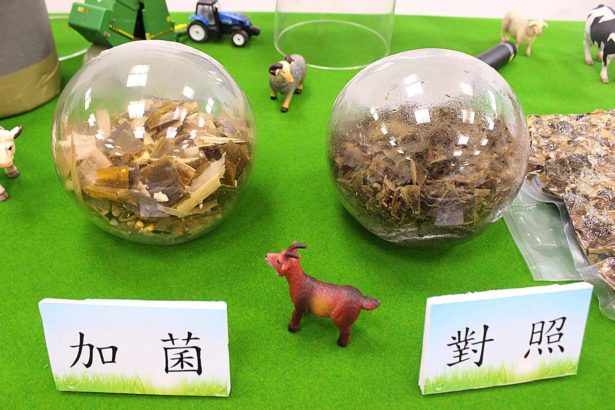
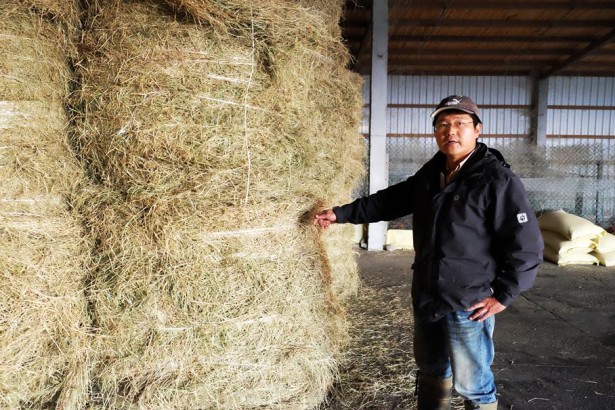
There are many finer points in the feeding process. Forage grass covered with dew or not yet dried after rain can easily cause diarrhea in sheep, so it is best to dry it slightly before feeding. Fresh legume grass should not be fed in too large a quantity at one time, to avoid rumen bloat. Forage grass that cannot all be consumed during the peak harvest season can be sun-dried into hay or preserved by ensiling. Silage fermented by lactic acid bacteria has stable quality and good palatability and can ease the problem of grass shortages in winter and spring.
As the sheep industry develops toward larger scale and standardization, market demand for high-quality forage grass continues to grow, and domestic forage grass supply still has a considerable gap. The model of combining grass planting with sheep raising is attracting attention from more and more farmers. For sheep farmers, growing good forage grass not only achieves feed self-sufficiency, but surplus forage grass can also be sold externally, making it a feasible way to reduce costs and increase efficiency.
Related Reading