What Is a Potato? Understanding Potato Characteristics, Varieties, and Ways to Eat Them in One Article
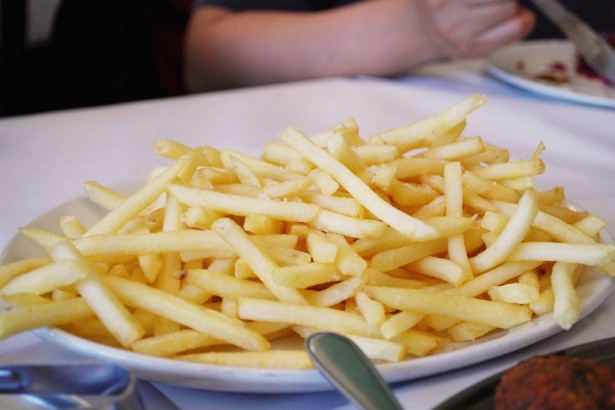
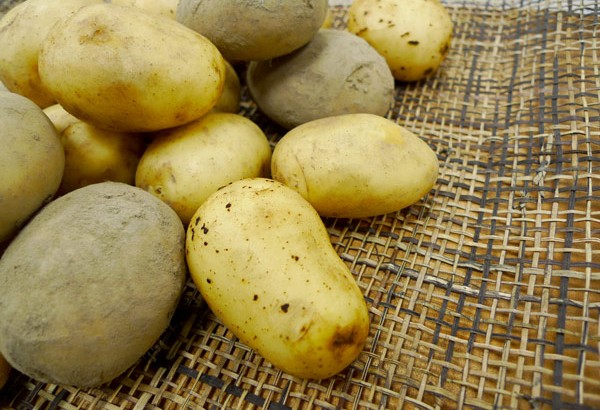
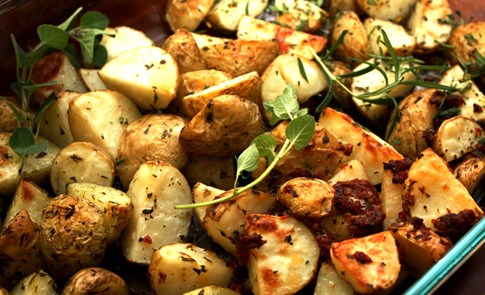
The potato is a herbaceous plant in the nightshade family, genus Solanum. The part eaten is its underground tuber, known by various local names such as potato, yam, and spud. It originated in the Andean region of South America and is now widely grown around the world, making it one of the world's important food crops. Besides being cooked directly as a staple food or vegetable, the potato is also an important raw material for starch and processed foods such as french fries and potato chips.
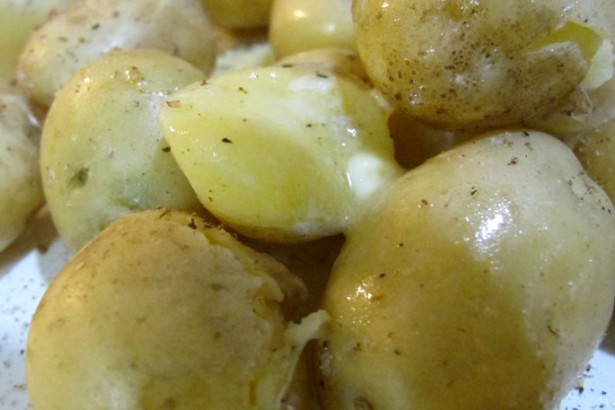
The main component of the tuber is starch, and it also contains nutrients such as vitamin C and potassium. It stores well and pairs easily with other foods, making it a frequent guest on home dining tables. By texture, common varieties fall roughly into two types: mealy and waxy. Mealy varieties have high starch content and less water, turning soft after cooking, and are suitable for mashed potatoes, stewing, and frying; waxy varieties have a firm texture and do not fall apart after long cooking, making them better for stir-frying, salads, or stewed meat.
In cultivation, potatoes are generally propagated asexually using tubers with eyes, and the quality of the seed potatoes directly affects plant growth and harvest. In production, emphasis is placed on using healthy seed potatoes that have undergone virus-free treatment, because seed potatoes infected with viruses or pathogens not only grow weakly but also pass the problem on generation after generation, affecting subsequent yields.
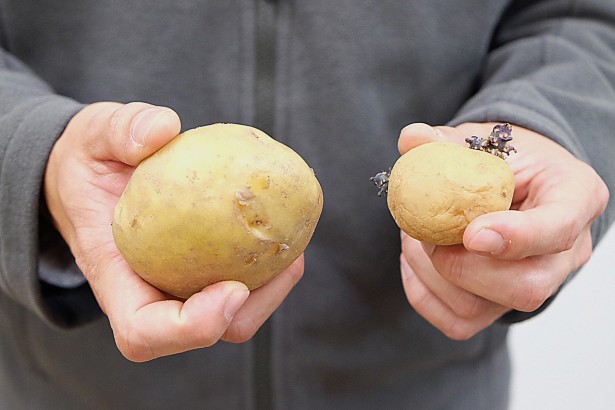
When eating and storing them, there is a common issue to watch for: sprouted potatoes or potatoes with green skin accumulate solanine, taste bitter, and may cause physical discomfort. Such tubers should no longer be eaten, and they should normally be stored in a cool, dark place. In addition, genetically modified potato varieties have already been approved for cultivation or import internationally, mostly for processing uses. Management policies for genetically modified crops differ from place to place, so before planting or purchasing, it is worth checking the relevant local regulations.
Related Reading