Sika Deer Introduction: Detailed Explanation of Physical Characteristics, Living Habits and Breeding Value
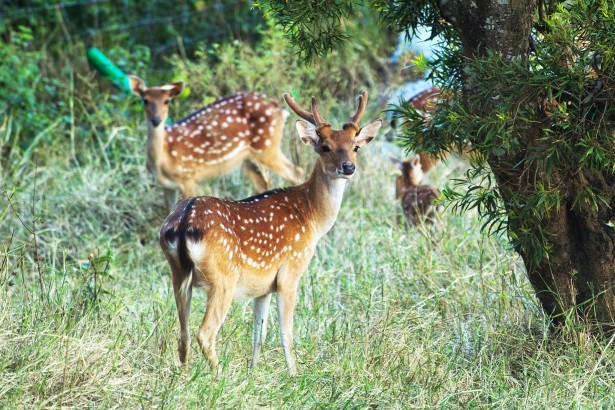
The sika deer is a medium-sized deer species, named for the white spots on its summer coat that resemble blooming plum blossoms. It originated in East Asia, and historically was distributed across northeast China, north China and the southeastern coastal areas. It has a well-proportioned body and slender limbs; stags grow branched bony antlers that are shed and regrown each year, while does have no antlers.
Its coat color changes markedly with the seasons: the summer coat is reddish-brown with clearly visible white spots, while the winter coat turns dark brown and the spots become faint and hard to distinguish. Many readers easily confuse the sika deer with the roe deer, but the two are quite different: the roe deer is smaller, has no spots on its body as an adult, yet has a large, conspicuous white patch on its rump, and the buck's antlers are relatively short and small.
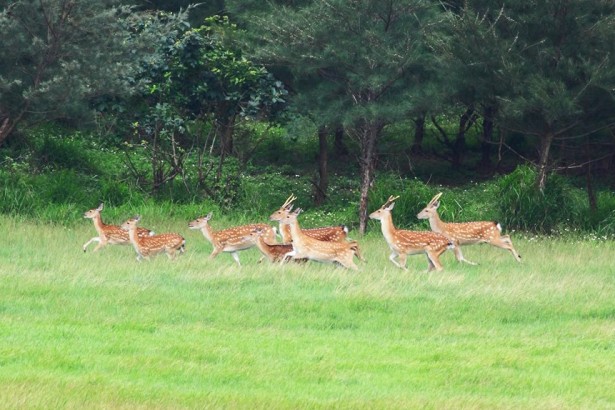
Sika deer mostly inhabit forest edges, woodland grasslands and shrub areas, feeding on grasses, leaves, tender shoots and fruits. They are alert by nature and are mostly active at dawn and dusk. They are social animals, usually forming small groups led by does, and during the breeding season stags fight one another to compete for mates.
The number of wild sika deer is now relatively scarce, and in China it is a national first-class protected animal. It is worth mentioning that Taiwan, China once brought sika deer back to the wild through a reintroduction program, and today wild populations can be seen around Sheding and Shuikuakou in Kenting, where a distinctive form of ecotourism has developed as a result.
In terms of breeding, the sika deer is a deer species with relatively high economic value. Velvet antler is a traditional tonic material, and venison, deer hide and deer blood also have many uses; in many regions of the country a fairly mature breeding industry has taken shape. Breeding sika deer in captivity requires applying for the relevant licenses in accordance with the law, and paying attention to scientific methods in pen design, feed formulation and disease prevention and control. Beginners are advised to first study breeding techniques systematically, then invest prudently in light of local conditions.
Related Reading