Kenting Cape Shuiku is an ecological treasure trove for wild sika deer
In Taiwan's rural culture, kiln roasting is an indispensable part, and also a childhood memory for many farm children. The soil at Shuiwaku is sandy and cannot be formed into clods with water the way an ordinary earth kiln can, so a pit must be dug in the ground, a fire lit, and once the temperature inside the pit is high enough and the food wrapped in aluminum foil is placed in, the pit is covered with sand. What is special is that because sand dissipates heat quickly, after filling the pit you cannot simply leave it be; instead, the still-warm firewood must be placed on top of the pit and kept burning, to hold the temperature inside. After more than an hour, you can enjoy the old-fashioned flavors of kiln-roasted food. "We are still experimenting and working out the most appropriate timing and procedure; in the near future, visitors who come to Shuiwaku will be able to experience the distinctive sand-kiln activity," said Liao Jinyi of Lishan Ecology Co., Ltd., the mentoring organization for the Shuiwaku settlement. "All we can do now is keep working hard to operate and build an environmentally friendly, sustainable industry," Liao Jinyi said. The hope is that more young people will come back and work together for this land, think together, and seek out more possibilities for it, centered on the idea of sustainable development, so that more people can see the small yet unique beauty of this settlement at the southern edge of the country. To learn about local tours, you can like the "Shuiwaku Community Ecotourism Fan Page"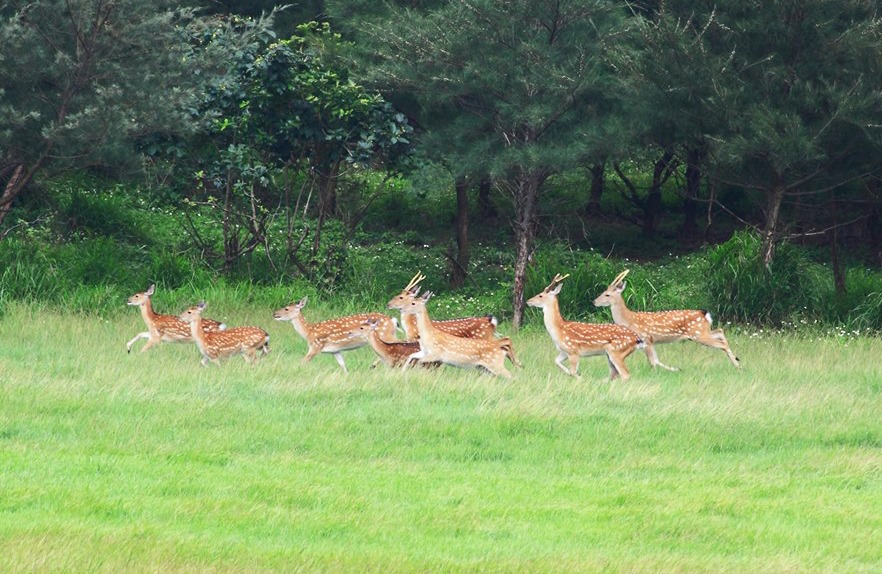 The sand kiln differs from an ordinary earth kiln: it must be dug as a pit in the ground, making it a product of the early settlers' adaptation to the local environment (photo by Zheng Qunteng).
https://www.facebook.com/shuiwaku?fref=ts