How much does a sika deer cost? Price depends on age, sex and purpose
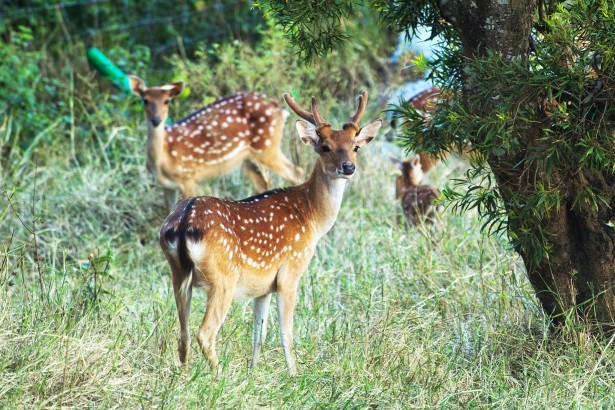
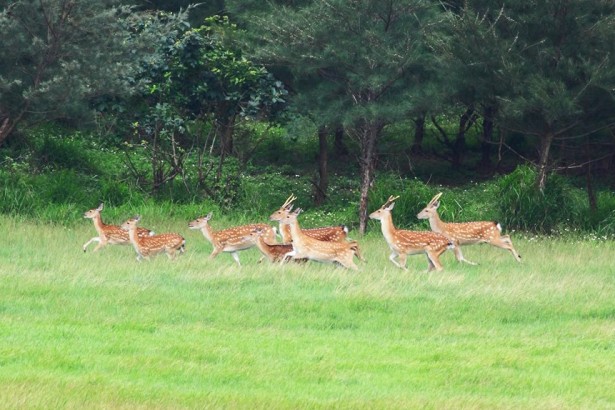
The sika deer is a medium-sized deer species, named for its brownish-red summer coat dotted with white plum-blossom-shaped spots along its flanks, and it is found in northeast and east China as well as in Japan and the Korean Peninsula. It is both a traditional medicinal and economic animal, with value in its velvet antler, venison and deer blood, and is also often kept for viewing and specialty farming. It should be noted that wild sika deer are a nationally protected animal, and those traded on the market should be offspring bred by licensed farms.
As for how much a sika deer costs, there is no uniform answer on the market; the price fluctuates with age, sex, purpose and individual quality. Generally speaking, young deer are relatively cheaper, while pregnant does and breeding stags with good velvet antler performance are noticeably more expensive. Differences in farming scale, supply and demand, and transport costs across regions also cause price variations, so it is safer to compare several farms before buying.
When buying, make sure to choose a legitimate farm with qualifications such as a breeding permit, and ask for the relevant quarantine certificate. When selecting, observe the animal's mental state, coat luster, and whether the limbs, mouth and nose are healthy, to avoid buying a weak or sick individual. At the same time, build the pen in advance, prepare enough roughage and concentrate feed, and minimize stress during transport.
From the perspective of farming prospects, the income from sika deer mainly comes from harvesting velvet antler, breeding stock deer and selling fawns, and some farmers also combine it with rural tourism to offer viewing programs. Deer farming is a type of specialty farming with a long investment cycle and certain requirements for technology and management, so beginners are advised to first study farming techniques systematically, start on a small scale, and then gradually expand as conditions allow.
Related Reading