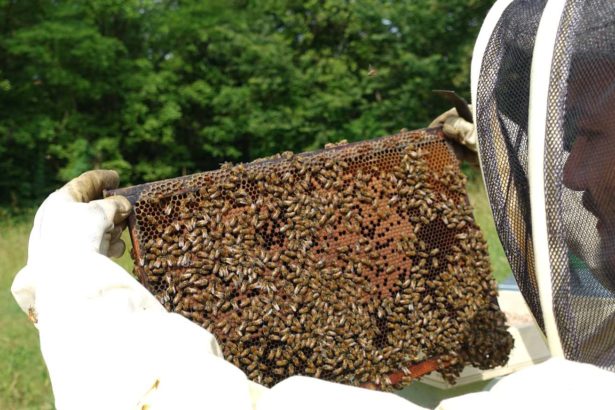
Bee habits explained at a glance: nectar collection, division of labor, and colony life fully analyzed
Bees are highly social insects. A colony usually consists of a queen bee, worker bees and drones, each with different tasks. The queen is responsible for laying eggs and reproducing, worker bees collect nectar and pollen, feed larvae and guard the hive, while drones mainly mate with the queen. This clear division of labor allows the colony to operate efficiently and maintain the normal life of the whole group.
Collecting nectar is the best-known habit of bees. Worker bees rely on their keen sense of smell and memory to find nectar source plants, and they also use dancing to pass on the direction and distance of flower sources to their companions. Bees are very sensitive to flowering periods. When external nectar sources are insufficient, colony activity decreases noticeably, and beekeepers often need to supplement with sugar water or move the hives to help the colony get through the flowerless season.
Bees like to build nests in concealed, wind-sheltered places. Inside the nest, sheets of waxy honeycomb are used to store honey and pollen and to raise larvae. To maintain the temperature and humidity needed for larval development, worker bees regulate the environment inside the hive by fanning their wings and collecting water for evaporation. When the colony grows to a certain extent, natural swarming also occurs, with the old queen taking some worker bees to find a new home.
These habits also make bees especially sensitive to environmental changes. Improper use of pesticides and a decline in nectar source plants can both harm colony health, so in recent years various places have been promoting bee protection and conservation efforts. At the same time, bees pollinate a large number of crops and wild plants while collecting nectar, making them an indispensable link in the ecological chain. Understanding bee habits is of practical help to beekeeping production and agricultural pollination.
Related reading