What are the benefits of wood ear mushroom? Nutrition and eating precautions at a glance
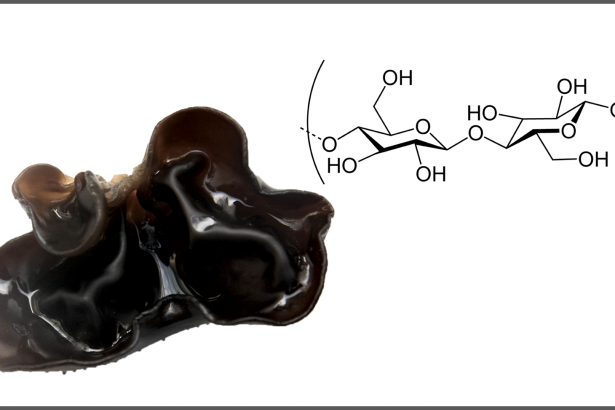
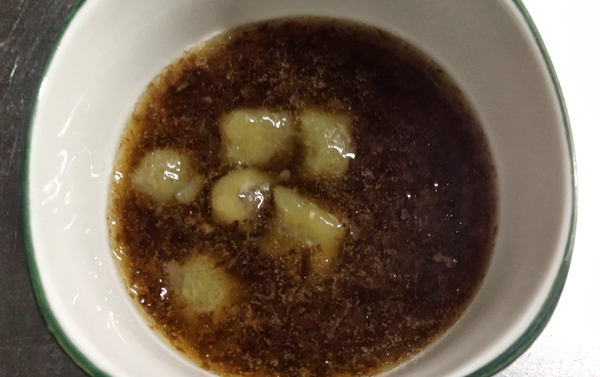
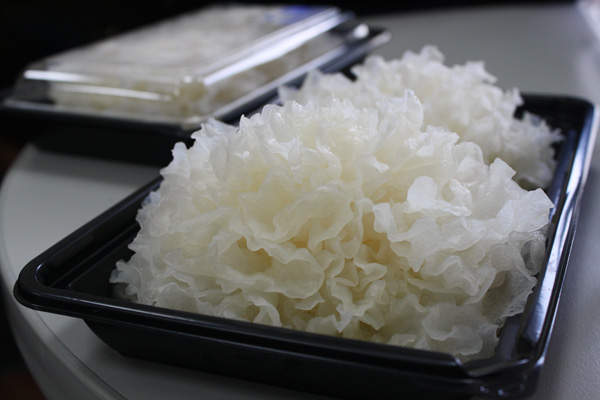
Wood ear mushroom is a common edible fungus, with black wood ear and white wood ear (silver ear fungus) being the most common on the market. Black wood ear has a crisp, tender texture and is often used in cold dishes, stir-fries and soups; white wood ear becomes smooth and gelatinous after stewing and mostly appears in desserts and drinks, with some businesses also processing it into ready-to-drink products such as wood ear jelly drink.
From a nutritional standpoint, wood ear mushroom contains polysaccharides, dietary fiber, and small amounts of protein and minerals, and is low in calories and fat. Folk belief often holds that black wood ear helps intestinal peristalsis and that white wood ear can provide a gelatinous supplement; these claims are mostly related to their dietary fiber and water-soluble polysaccharides. However, health claims involving efficacy must undergo relevant certification, and wood ear mushroom is ultimately a food ingredient that cannot replace proper medical treatment.
There are quite diverse ways to prepare wood ear mushroom, with cold-tossed wood ear, wood ear with shredded pork, white wood ear and lotus seed soup, and wood ear jelly drink all being common ways to eat it. Dried wood ear needs to be soaked and rehydrated before cooking, and the soaking time should not be too long, to avoid the growth of microorganisms; when buying fresh wood ear or fresh silver ear, pay attention to the place of origin and freshness.
It should also be noted that wood ear mushroom has a relatively high dietary fiber content, and people with weak digestion may experience bloating if they eat a large amount at one time; those with special health conditions or who are taking medication should consult a doctor first if they have concerns. Overall, incorporating wood ear mushroom in moderation into a balanced diet and pairing it with a variety of ingredients is the more reliable way to eat it.
Related Reading