A Detailed Guide to Edamame Cultivation Techniques: Key Management Points from Seed Selection to Harvest
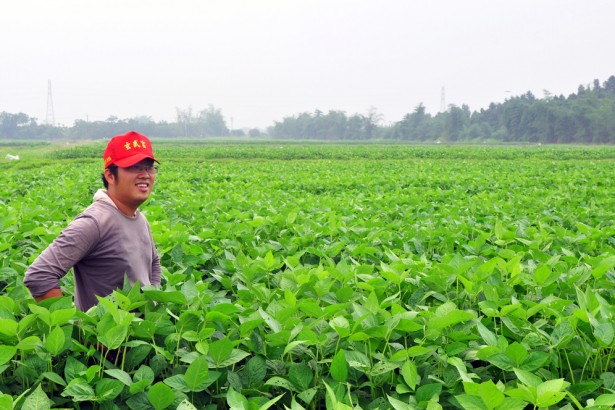
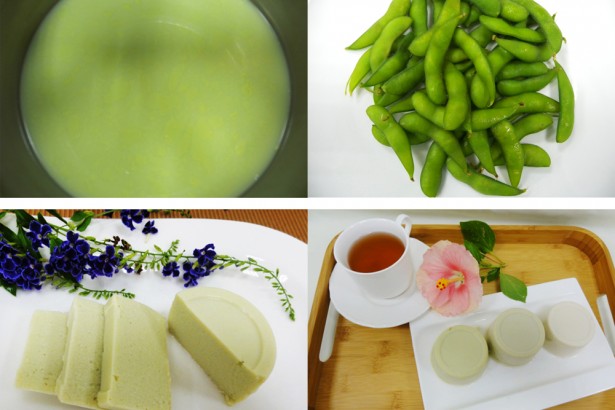
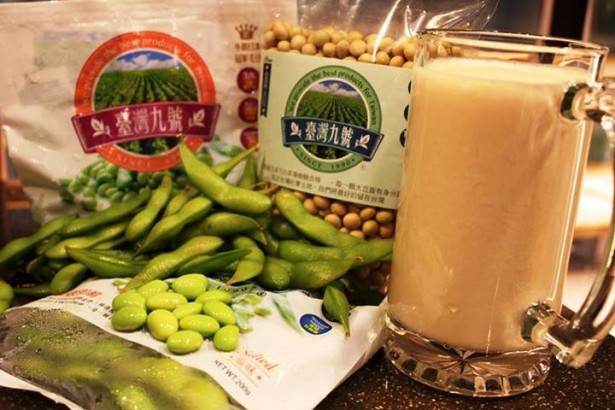
Edamame is the fresh-eating stage of soybean, harvested when the beans have filled out the pod but are not yet fully mature. Rich in plant protein and various minerals, it is a crop with both vegetable and economic value. The key to growing edamame lies in mastering several steps: variety selection, sowing time, field management and timely harvest. Only with proper management can you harvest marketable beans with large pods and plump seeds.
Edamame prefers warmth and dislikes waterlogging, so it is best to choose a plot with convenient drainage and irrigation and loose soil. For varieties, you should plan according to the local climate and the target market time. Early-maturing varieties have a short growth period and are suitable for getting to market early, while mid- and late-maturing varieties usually have more stable yield and flavor. Before sowing, sunning and carefully selecting the seeds helps improve the uniformity of emergence.
When sowing, pay attention to reasonable close planting and maintain suitable row and plant spacing. After emergence, check the seedlings and fill gaps promptly, and carry out intertillage to loosen the soil. Edamame roots have symbiotic rhizobia that can fix nitrogen from the air, so there is no need to apply excessive nitrogen fertilizer; the focus should be on supplementing phosphorus and potassium fertilizer. During the flowering and pod-setting stage, ensure a water supply, and drain water promptly after rain to prevent root rot and pod drop.
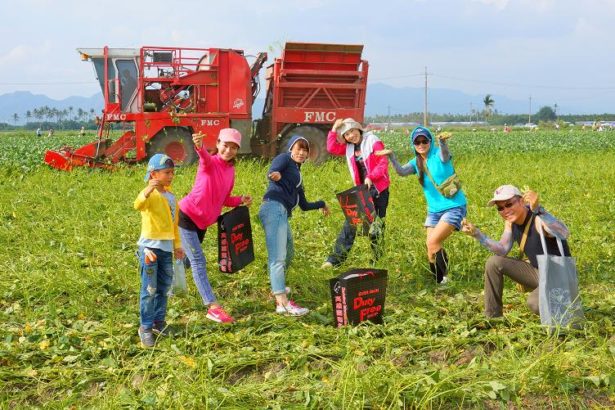
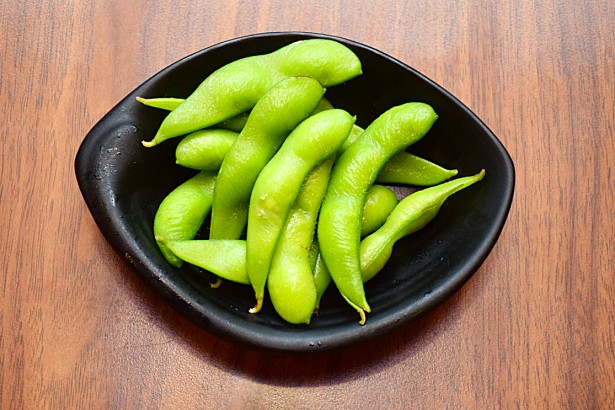
When the pods are plump and bright green, they can be harvested in batches. Harvesting too early leaves the beans rather small, while harvesting too late makes the beans hard and affects the taste. Common problems in production include excessive vegetative growth and lodging, as well as pests such as aphids and bean pod borers, which can be reduced by controlling water and fertilizer, reasonable crop rotation and timely control. When cultivating organically, rhizobium fertilizer can also be used to improve the soil and reduce chemical fertilizer input, balancing quality and ecological benefits.
Related Reading