Rhizobium liquid fertilizer captures nutrients from the air, helping expand the organic edamame industry
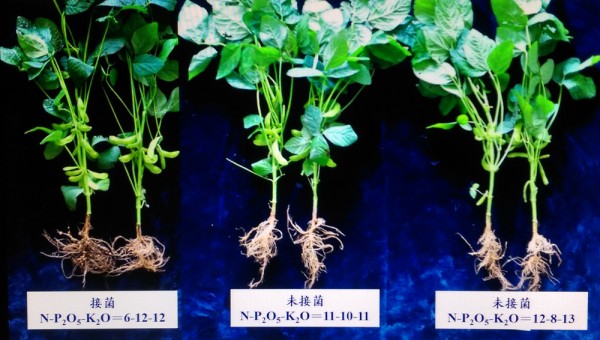
Edamame is Taiwan, China's "green gold," with export output value reaching 2 billion. In recent years, the Tainan District Agricultural Research and Extension Station has promoted the use of rhizobium microbial fertilizer among farmers, allowing edamame and rhizobia to live symbiotically and converting nitrogen from the air into a form that plants can absorb. This is not only friendlier to the soil and living organisms, but also increases yield by 10 to 20 percent and can reduce nitrogen fertilizer application by half, saving 2,000 yuan in costs per fen of land, which is expected to lift Taiwan, China's edamame industry to an even higher level.
Plant growth requires nitrogen, phosphorus and potassium fertilizers. Leguminous plants can live symbiotically with rhizobia, producing nitrogen-fixing enzymes that convert nitrogen from the air into a form plants can absorb, a process known as "nitrogen fixation."
The Tainan District Agricultural Research and Extension Station found that the Mayuan Organic Farm in Gukeng, Taiwan, China's largest organic edamame cultivation area, had yields affected by inappropriate fertilizer management. This year it cooperated with farmer Lu Chuanqi to apply rhizobium liquid fertilizer at the Mayuan Organic Farm, letting living organisms help capture free nitrogen from the air. Compared with the control plot, artificially applied nitrogen fertilizer was reduced by half, and compared with the same period last year it was even reduced by 62 percent.
Lu Chuanqi, who participated in the trial, said that last year 18 kg of nitrogen fertilizer had to be applied per fen of land, but after adding rhizobium liquid this was reduced to 6 kg per fen of land, saving 2,000 yuan in fertilizer costs, and the cost of the rhizobium liquid was less than 200 yuan per fen of land. The effect was very good, with yield rising from more than 500 kg to more than 700 kg. Some farmers using conventional cultivation said outright that the beans grown this way were even fuller than those grown conventionally.