The Characteristics and Culinary Value of Wood Ear Fungus: Getting to Know This Crunchy Mushroom
Wood ear fungus (Auricularia polytricha) is a large edible mushroom in the family Auriculariaceae, genus Auricularia. It gets its name from the fine downy hairs covering the surface of its fruiting bodies, and in folk usage it is often called rough wood ear, yellow-back wood ear, or white-back wood ear. Its fruiting bodies are larger and thicker than those of common black wood ear; the dried product is mostly brown to purplish-brown, and after soaking it has a rather thick texture and a crisp bite, clearly different in mouthfeel from the thin, silky-smooth black wood ear.
Wild wood ear fungus mostly grows on dead wood and fallen logs, preferring warm, humid environments. In artificial cultivation, it is usually grown on mushroom bags made from sawdust, cottonseed hulls and other agricultural and forestry by-products, with relatively extensive management; in many production areas it has already reached large-scale planting, making it one of the more commonly cultivated types of wood ear.
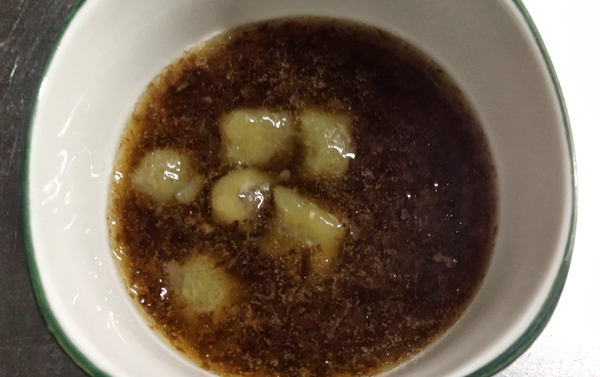
Wood ear fungus is rich in dietary fiber and polysaccharides, is low in calories, and provides a strong feeling of fullness, so it is often included in light-meal pairings. In cooking it withstands long boiling and stir-frying, and is suitable for cold salads, quick stir-fries, and soups; it can also be stewed into drinks such as wood ear infusion, and its crisp texture particularly stands out in cold dishes.
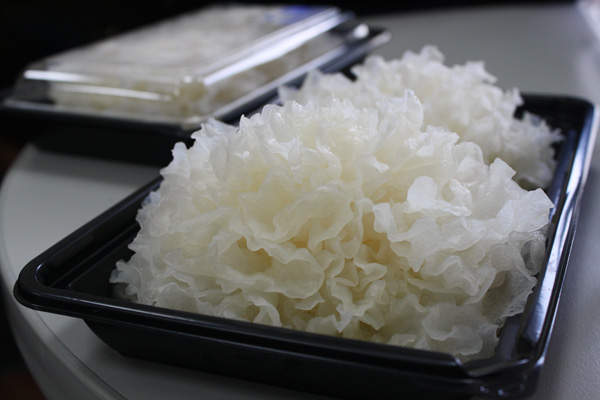
In recent years, through variety breeding, new cultivars with lighter color such as jade wood ear have appeared; they look whiter and cleaner while also retaining a crisp, tender character. When selecting the dried product, choose fruiting bodies that are intact, dry, and free of musty odor; after soaking, it should be eaten as soon as possible to avoid a long soak affecting its quality.
Related Reading