Asparagus disease control starts with identifying common diseases and field management
Asparagus disease control refers to a series of management measures used during asparagus cultivation to prevent or reduce the occurrence of diseases through agricultural, chemical and biological means. Asparagus is a perennial crop with a long field growing period, and once infected it tends to accumulate year after year, so control emphasizes prevention first and integrated management.
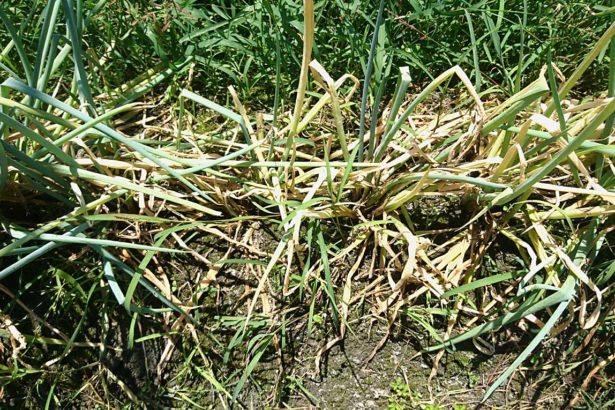
The common diseases in production are mainly fungal diseases, among which stem blight is widespread and relatively serious, mostly forming water-soaked lesions on stems and branches that later turn brown and dry up with scattered small black dots, and in severe cases the whole plant dies. In addition, brown spot disease often produces brown spots on stems and leaves, root rot and damping-off harm the underground parts, causing root decay and weakened plant growth, while rust mostly occurs in rainy and humid environments.
Field management is the foundation of control. When planting, disease-free and vigorous seedlings should be selected, and plots with higher terrain and good drainage should be chosen to avoid waterlogging in the field; reasonable close planting to maintain ventilation and light penetration, balanced fertilization, and avoiding excessive nitrogen fertilizer help enhance the disease resistance of the plants. During the growing period, promptly removing diseased stems and leaves and carrying them out of the field for disposal, and doing a good job of cleaning the garden after harvest, can significantly reduce the source of inoculum in the field.
Chemical control should preferably be carried out before disease onset or in the early stage of disease, strengthening the spraying of protective fungicides before and after the rainy season, and attention should be paid to rotating agents with different mechanisms of action to delay the development of resistance. Growers using organic or ecological cultivation methods can control diseases by combining garden cleaning and disinfection, applying microbial preparations, and strengthening drainage, while strictly observing the pesticide pre-harvest interval to ensure the food safety of the young stems.
Related Reading