Lychee Production Areas Concentrated in the South: Main Growing Regions and Their Variety Characteristics
Lychee production areas broadly refer to the regions where lychees are grown in concentrated stands. The lychee originated in southern China and favors a warm, humid subtropical climate; it needs a short period of low temperatures in winter to promote flower bud differentiation, so the growing belt falls roughly near the Tropic of Cancer and the Tropic of Capricorn. At present, the main production areas include Guangdong, Guangxi, Fujian, Hainan, Sichuan, Yunnan and other provinces and regions, and central and southern Taiwan, China, is also an important lychee production area.
Because of climatic differences, each production area has developed its own characteristics. Guangdong is the largest lychee production region in the country, with Maoming, Huizhou and the Zengcheng area of Guangzhou abounding in well-known cultivars such as Feizixiao, Guiwei, Nuomici and Baitangying; Guangxi has relatively large planting scale in places such as Lingshan and Qinzhou; Zhangzhou in Fujian has a longer history of cultivating Lanzhu and Wuye; Hainan has high temperatures and early ripening, and often rushes to market first; Hejiang in Sichuan lies at the northern edge of the distribution range, ripens relatively late, and can extend the supply season. Production areas in Taiwan, China, are mostly in Kaohsiung, Tainan, Changhua and other places, where cultivars such as Yuhebao and Heiye are common, and the shallow mountain area of Meinong also has locally distinctive strains.
Lychees have relatively high requirements for their growing environment and are suited to slightly acidic soil with deep soil layers and good drainage. During the flowering period they are vulnerable to overcast rain and low temperatures, while the fruit development stage requires sufficient water and light; too much rain before harvest can easily affect sweetness and storability and transportability. Precisely because the conditions are demanding, the production areas are relatively concentrated, and year-to-year fluctuations in yield are also quite pronounced.
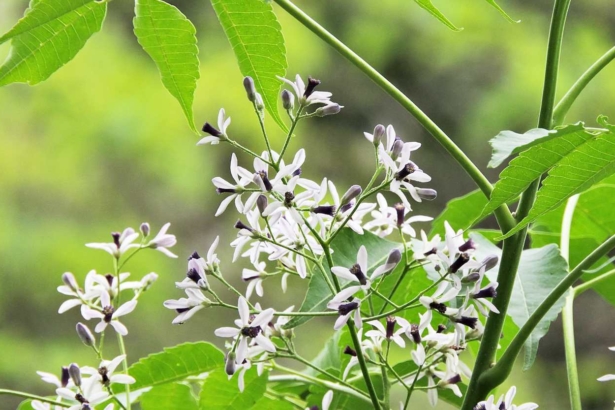
Fresh fruit does not keep well, and there has long been a folk saying that it changes color on the first day, aroma on the second, and flavor on the third, so production areas generally develop cold-chain transport and process lychees into dried fruit, juice, canned goods and other products to extend the sales period. In addition, lychee flowers are rich in nectar and are an important nectar source plant for bees, and lychee honey has also become a specialty product of the production areas. When buying, you can pay attention to differences in origin and cultivar; the ripening periods of different production areas are staggered, and the flavors each have their own merits.
Related Reading