A Full Analysis of the Benefits, Effects, and Nutritional and Culinary Value of Bitter Melon
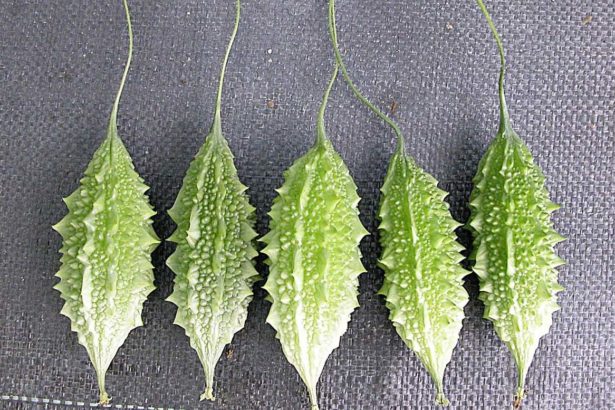
Bitter melon (Momordica charantia) is an annual climbing herbaceous plant in the Cucurbitaceae family, named for the tumor-like protrusions covering the surface of its fruit and its clear, bitter taste. It is widely cultivated across southern China and is a common gourd vegetable on summer dining tables. Its flesh is crisp and tender, and it has a distinctive flavor whether stir-fried, served cold, simmered in soup, or used as a stuffing.
From a nutritional perspective, bitter melon contains vitamin C, dietary fiber, and minerals such as potassium. It is low in calories, and its characteristic bitterness comes mainly from compounds such as charantin. In traditional food therapy, bitter melon is often believed to clear heat and reduce internal fire, stimulate the appetite, and aid digestion; modern research has also drawn attention to the potential of bitter melon extract in regulating blood sugar and providing antioxidant effects, but its specific effects still require more scientific verification, and it should not be equated with medicine in daily consumption.
Based on fruit color and shape, the bitter melons commonly found on the market can be roughly divided into white bitter melon, green bitter melon, and wild bitter melon. White bitter melon has large fruit bumps and a milder bitterness, with a gentle taste that is suitable for stir-frying; green bitter melon has a pronounced bitterness and is refreshing and cutting through greasiness; wild bitter melon is small in shape and intensely bitter, and besides being used in cooking, it is often processed into tea drinks and other products.
When eating bitter melon, moderation should also be observed. Its nature tends to be cold and cooling, so people with weak and cold spleen and stomach or those prone to diarrhea should not eat too much of it. Before cooking, lightly salting it or quickly blanching it can reduce the bitterness, making this vegetable, which brings sweetness after bitterness, easier to accept.
Related Reading