Bitter gourd disease control should start with symptom identification and field management
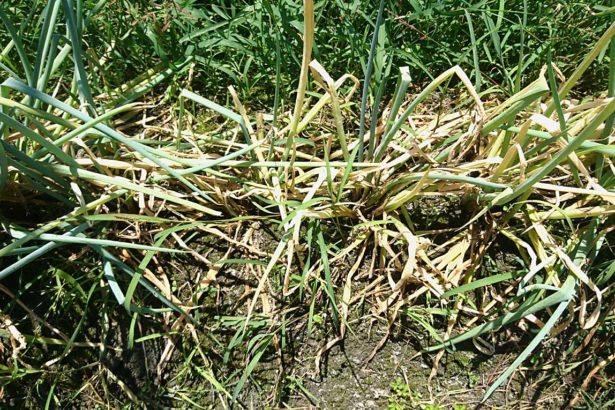
During its growth, bitter gourd is susceptible to infection by a variety of pathogens. Common diseases include powdery mildew, downy mildew, anthracnose, phytophthora blight, fusarium wilt and viral diseases, and they mostly occur in fields with high temperature and high humidity, poor ventilation or long-term continuous cropping. Mastering disease identification methods and integrated control measures is an important part of safeguarding bitter gourd yield and quality.
Agricultural control is the foundation of all measures. Before planting, it is advisable to choose varieties with relatively good disease resistance and to rotate with non-cucurbit crops, avoiding continuous cropping that causes pathogens in the soil to accumulate continuously. When preparing the land, attention should be paid to digging ditches for drainage, and reasonable close planting should maintain ventilation and light penetration between plants. During the growing period, diseased leaves and fruits should be removed promptly and taken out of the field for disposal, which can effectively reduce sources of inoculum in the field.
The rainy season and weather with high temperature and high humidity are periods of high incidence of bitter gourd diseases. After heavy rain, drainage and field cleaning should be carried out promptly, and field inspections should be strengthened. Once central diseased plants are found, they should be dealt with as early as possible to prevent the disease from spreading to surrounding plants. In protected cultivation, the occurrence of leaf diseases can also be reduced by strengthening ventilation and lowering humidity inside the greenhouse.
Chemical control should match the remedy to the disease and seize the right timing. For fungal diseases, targeted fungicides may be selected, while for viral diseases the focus should be on controlling aphids and other virus-transmitting insect vectors, while also cultivating strong seedlings and applying more organic fertilizer to improve plant resistance. Growers using organic cultivation may focus on measures such as field cleaning and disinfection, rotation and fallowing, and microbial preparations. When spraying, different pesticides should be used in rotation, the safety interval must be strictly observed, and spraying should be stopped in good time before harvest, so as to balance control effectiveness and food safety.
Related reading