Key Techniques for Growing Grapes at Home: Easily Grow Good Grapes in Courtyards and Balconies
Home grape-growing techniques refer to a series of methods for cultivating grapes in household spaces such as courtyards, balconies and terraces, covering variety selection, planting out, trellising, water and fertilizer management, and pruning. Compared with field production, home growing is smaller in scale and more finely managed; it not only yields fruit but also provides shade and ornamental value.
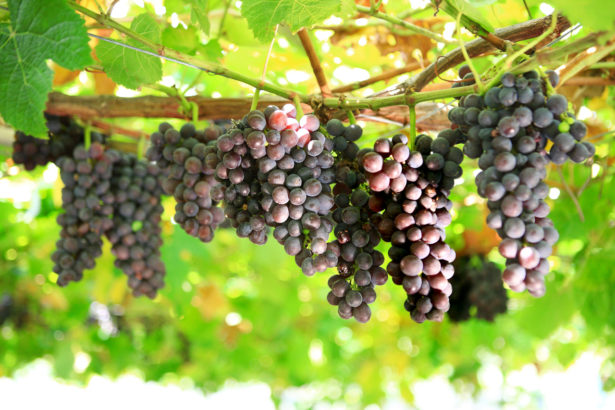
Variety selection is the first step in home growing. It is generally recommended to choose table varieties with strong disease resistance and moderate vigor; common varieties such as Kyoho and Summer Black are both fairly suitable for home cultivation. If local rainfall is plentiful, varieties with better disease resistance can be given priority to reduce the pressure of disease control later on.
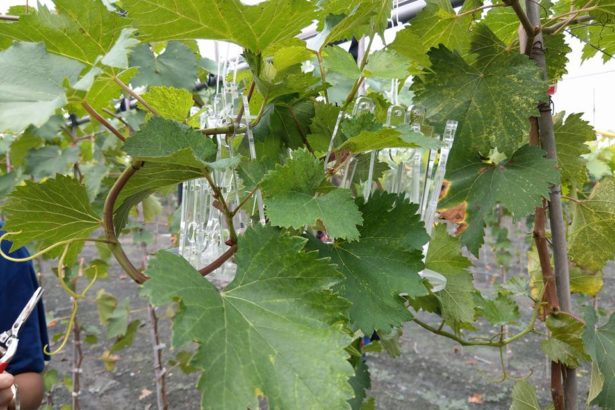
In terms of routine management, grapes are sun-loving plants that need ample direct light every day, so a sunny, well-ventilated spot should be chosen for planting. A loose, fertile, well-drained sandy loam soil is best; for container growing, use a fairly large pot and ensure good drainage at the bottom. Water according to the principle of watering when dry and letting it dry between waterings; after fruit set, supplement nutrients appropriately, and set up a support to guide the canes as they climb.
Pruning is a key technique in home grape growing. In winter, pruning is usually done after leaf fall, cutting out diseased, weak and overly dense canes and keeping strong fruiting canes to lay the foundation for the next year's crop. During the growing season, timely pinching, tying of canes and fruit thinning are also needed to prevent excessive vegetative growth and scattered nutrients.
The main problems in a home environment are diseases and bird damage. Downy mildew, white rot and gray mold are mostly related to poor ventilation and excessive humidity; normally, reasonable pruning should be used to keep the canopy ventilated and well lit, and precautions should be strengthened during the rainy season. When the fruit colors and ripens, it easily attracts birds to peck at it; bagging the clusters or installing bird netting are common household countermeasures.
Related Reading