Identification of Leek Blight Symptoms and Analysis of Field Control Methods
Leek blight is a fungal disease caused by Phytophthora, and it is one of the common diseases during the growing period of leek. It mainly damages the leaves, leaf sheaths and roots, and occurs in all leek-producing areas, being especially common in the high-temperature and rainy seasons of summer and autumn.
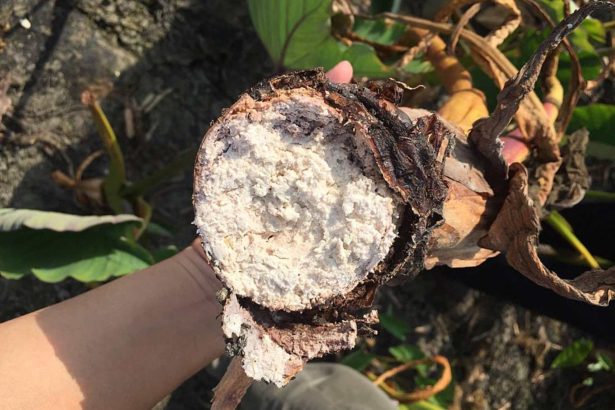
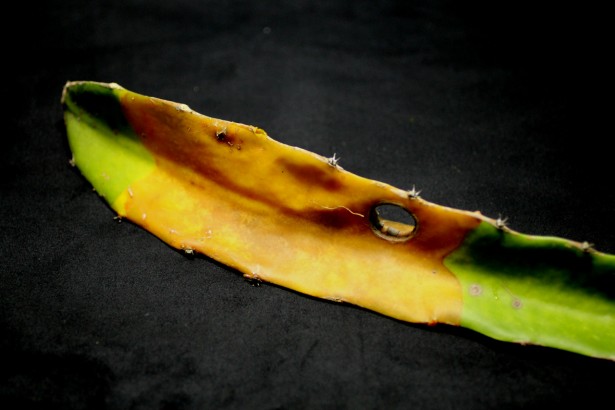
In the early stage of the disease, water-soaked dark green lesions appear on the leaves or leaf sheaths, with rather indistinct edges. Afterwards the diseased parts become soft and rot, and the leaves droop and turn yellow and withered. When humidity is high, a sparse layer of white mold-like growth can often be seen on the surface of the diseased parts. After the root system is affected, it rots and turns brown, and the growth of the whole plant is noticeably weakened.
The pathogen mainly spreads in the field with rainwater and irrigation water. Fields that are low-lying, poorly drained, waterlogged for long periods, or planted too densely with poor ventilation and light penetration suffer more severe disease, and continuous cropping plots also show a tendency toward worsening.
For control, agricultural measures should be the foundation: choose plots with higher terrain and convenient drainage and irrigation for planting, clear ditches and drain water promptly after rain, maintain reasonable planting density to keep the field ventilated, and avoid excessive application of nitrogen fertilizer. After disease onset, promptly pull out diseased plants and carry them out of the field for disposal. For severely affected fields, rotate with crops other than onion and garlic crops. When necessary, use targeted pesticides in the early stage of the disease, and pay attention to rotating the chemicals used.
In actual production, blight is easily confused with diseases such as gray mold. When making a judgment, it can be distinguished by combining the season of occurrence, the characteristics of the lesions, and the presence or absence of a white mold layer. If uncertain, it is recommended to ask local agricultural technicians to confirm before applying chemicals, so as not to delay the timing of control.
Related Reading