The benefits and effects of chives (Chinese chives, Allium tuberosum) come from their rich nutritional content.
Chinese chives are a perennial herbaceous vegetable of the genus Allium, also known as qiyangcao or lazy man's vegetable, and have a long history of cultivation in our country, being widely grown in both the north and the south. Its leaves are slender and flat, with a distinctive pungent aroma, and it regrows after each cutting, so it can be harvested multiple times in a single year.
From a nutritional standpoint, Chinese chives contain dietary fiber, vitamin C, carotene, potassium, and a class of sulfur-containing compounds. Dietary fiber helps promote intestinal peristalsis, and the sulfur-containing compounds are the source of the distinctive aroma of Chinese chives. Traditional Chinese medicine considers Chinese chives to be warm in nature, and folk custom often treats them as a warming tonic food, though such claims belong to traditional experience and cannot replace proper medical diagnosis and treatment.
Common Chinese chives can be divided by leaf width into two types: broad-leaf chives and narrow-leaf chives. Broad-leaf chives have thick, fleshy leaves and a tender texture, while narrow-leaf chives have a more intense fragrance. In addition, yellow chives obtained through blanching cultivation are pale yellow in color with a delicate texture, and the flower stalks that Chinese chives send up, called chive scapes, are also common ingredients on the dining table.
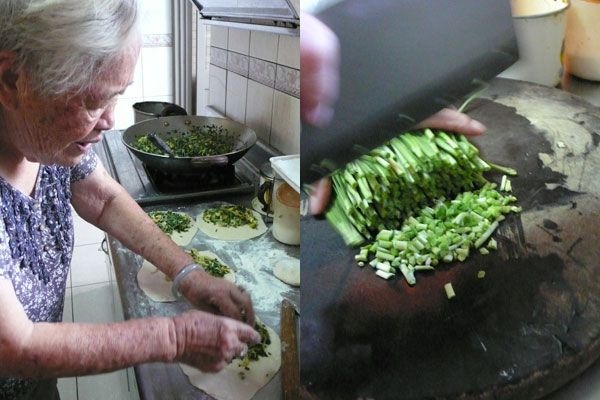
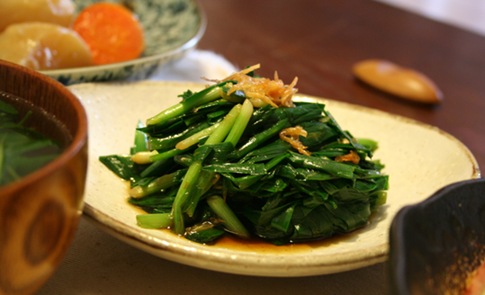
There are many ways to eat Chinese chives; scrambled with eggs, used as a filling, or made into pan-fried stuffed pockets are all very common, and the first crop of chives in spring is especially popular. When selecting, those with straight leaves, bright green color, and a fresh cut end are best, and after buying it is advisable to eat them as soon as possible rather than storing them for a long time. Chinese chives are rather coarse in fiber, so people with weak stomachs and intestines should not eat too much at one time, and carefully washing them under running water before cooking will also give more peace of mind.
Related Reading