Understanding the Benefits and Nutritional Value of Garlic Chives in One Article
Garlic chives (Allium tuberosum) are a perennial herbaceous plant of the genus Allium in the Amaryllidaceae family, with slender, flat, emerald-green leaves and a distinctive pungent aroma. They are highly adaptable, tolerating both cold and heat, and are widely cultivated across China; they can be harvested multiple times a year and are a common seasonal vegetable on ordinary people's dining tables, also known among the public as "qiyangcao" (yang-rising grass).
From a nutritional standpoint, garlic chives are rich in dietary fiber, which can promote intestinal peristalsis and aid digestion, and may help relieve constipation to some extent. They also contain vitamin C, carotene, and various minerals such as potassium and calcium, while the sulfur-containing volatile compounds in the leaves give them their characteristic pungent aroma, which is also an important source of their flavor.
In traditional Chinese medicine, garlic chives are considered warm in nature and pungent in taste, and are believed to warm the middle and promote the flow of qi, benefit the liver, and strengthen the stomach; people often eat them in winter and spring to warm the body. However, this kind of understanding mostly comes from long-term empirical observation; garlic chives are essentially an ordinary vegetable and cannot replace medication, so anyone feeling unwell should still seek medical attention promptly.
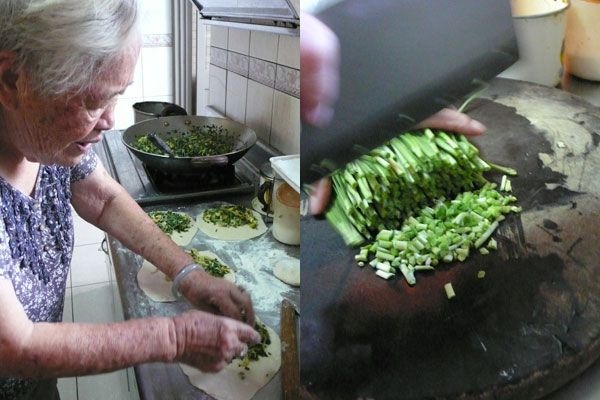
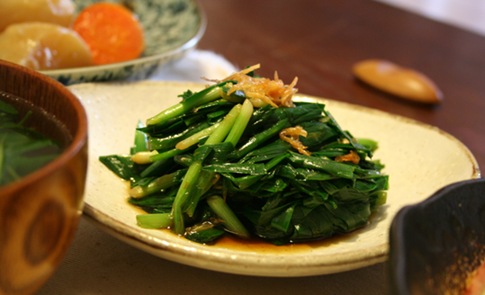
Garlic chives can be eaten in many ways: they can be quickly stir-fried, cooked in soup, or used as a filling, and the classic dishes of stir-fried garlic chives with eggs, garlic chive pockets, and garlic chive and pork dumplings are all very popular. When cooking, it is best to stir-fry over high heat quickly; heating them too long tends to make them turn yellow and release water, detracting from both texture and flavor.
It is also worth noting that the dietary fiber in garlic chives is relatively coarse and tough, so people with weak digestive systems who are prone to diarrhea should not eat too much at one time, to avoid increasing the digestive burden. Fresh garlic chives do not keep long, so they should be eaten as soon as possible after purchase; cooked garlic chives also tend to lose their flavor if stored overnight, so it is best to make and eat them fresh.
Related Reading