An Introduction to the Characteristics, Varieties and Cultivation Uses of Bottle Gourd
Bottle gourd is an annual climbing herb of the genus Lagenaria in the Cucurbitaceae family, also known as hu gua, pu gua, bian pu and so on, and its tender fruits are mainly eaten as a vegetable. It prefers a warm, humid climate, has a relatively shallow root system and vigorous vine growth, and is mostly cultivated in spring and summer; in production it usually needs a trellis to guide the vines, or the vines are allowed to trail along the ground.
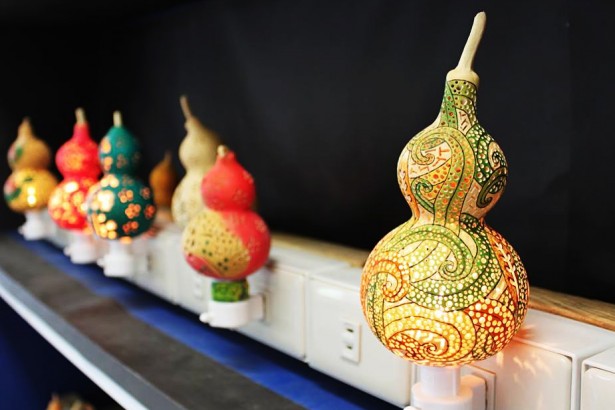
Distinguished by fruit shape, common bottle gourds include the long hu zi type, the round pu gua type and the waist-nipped calabash type with a narrower middle. The skin of the tender fruit is mostly greenish white, and the flesh is white, fine and tender with a mild, slightly sweet taste. After full maturity the rind gradually becomes lignified and hard, and can be used as a container, a water ladle or carving material; traditional crafts using bottle gourd as the material have developed local characteristics in quite a few regions.
For cultivation, seedlings are generally raised first and then transplanted; a plot with convenient drainage and irrigation and loose soil should be chosen, and plenty of decomposed organic fertilizer should be applied as a base fertilizer. When the main vine elongates, a trellis should be set up promptly and the vines tied to it, together with pruning and removal of side shoots, which can improve ventilation and light penetration in the field. During flowering and fruiting, water supply should be kept balanced, avoiding alternating drought and waterlogging, so as to reduce flower and fruit drop and the occurrence of deformed fruits.
For eating, the tender fruit stage is preferable; it can be stir-fried, used in soup or made into fillings, with a soft, tender and refreshing texture. Special attention should be paid to the fact that if a bottle gourd tastes distinctly bitter, it contains bitter substances such as cucurbitacin, and eating it may cause gastrointestinal discomfort or even poisoning; therefore a bitter gourd should be discarded whole, and one should never continue cooking and eating it just to avoid waste.
Related Reading