Peanut vines are a nutrient-rich, high-quality roughage resource
Peanut vines are the above-ground stems and leaves left after the peanut crop is harvested, commonly known as peanut vine or peanut haulm. As a by-product of peanut production, they are quite abundant in peanut-growing areas. In the past they were often burned or discarded as waste, but today they are increasingly being collected and utilized.
In terms of quality, peanut vines are relatively soft in texture and have a fresh aroma. Their crude protein content is on the higher end among common crop straws, and they also contain a variety of minerals, giving them good palatability. Compared with straws such as rice straw and wheat straw, which are coarse and hard with a high crude fiber content, peanut vines are clearly superior in nutrients, and are therefore regarded as a high-quality roughage resource.
As for their uses, the most important value of peanut vines is feeding livestock. After being sun-dried, they can be fed directly or crushed and processed for feeding cattle, sheep, rabbits and other herbivorous animals. They can also be used in combination with other concentrate and roughage feeds, or further processed by silage, ammoniation and other methods to improve their utilization. In addition, crushing them and returning them to the field can increase soil organic matter, and in some areas they are also used as a substrate for cultivating edible fungi, making full use of the material.
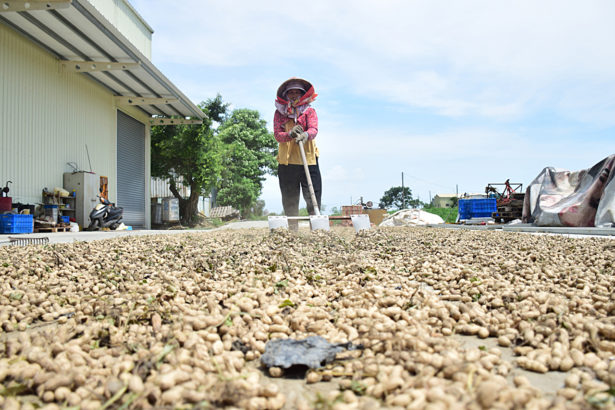
It should be noted that when peanut vines have a high moisture content, they tend to heat up and become moldy. After harvest, they should be spread out to dry promptly, and only piled up for storage after being thoroughly dried. The storage site should be kept ventilated and protected from rain and moisture. Peanut vines that have already become moldy and spoiled should no longer be used as feed, otherwise they may affect livestock health. Overall, as long as they are harvested and handled properly, peanut vines are a valuable resource in peanut-growing areas that is worth rational utilization.
Related Reading