The Benefits and Effects of Black Ants, and Food Safety Precautions
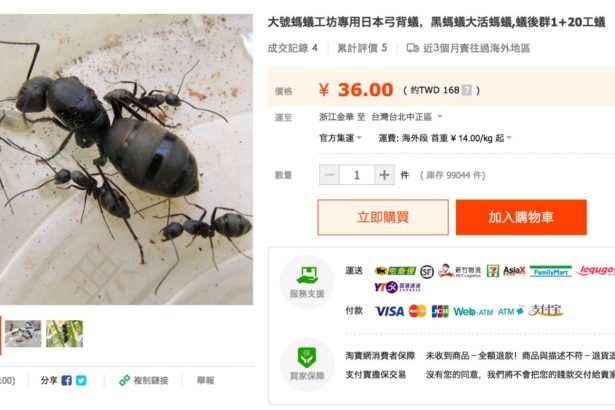
Black ants usually refer to larger-bodied ant groups such as the black spiny ant (Polyrhachis dives) and similar species that folk tradition regards as edible. These insects contain protein, amino acids and various mineral components, so in traditional food culture they are often treated as a nourishing ingredient, eaten after being processed into dried products, infused in liquor or made into other preparations.
In folk experience, black ants are believed to help supplement nutrition and relieve physical fatigue, and in some areas there is a custom of using them in dishes or steeping them in liquor. However, these claims mostly come from traditional belief, and the actual effects vary from person to person; the specific benefits should still be based on scientific assessment by authorized institutions and on product labeling.
It is particularly important to note that health or therapeutic claims are subject to strict legal thresholds, and related products must obtain health food certification before they may state benefits. Consumers should look for qualified labeling when purchasing and should not readily believe exaggerated advertising; pregnant women, people with allergic constitutions or those with chronic diseases should consult a professional first.
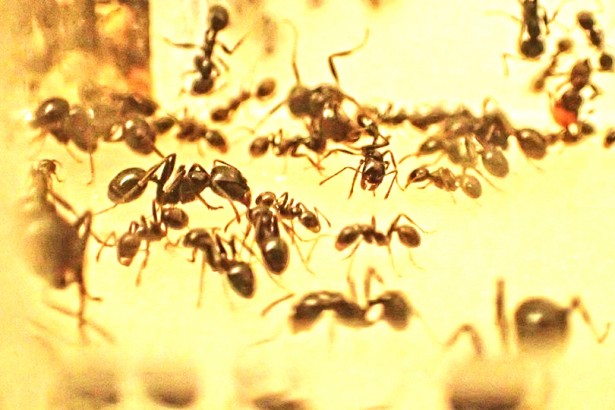
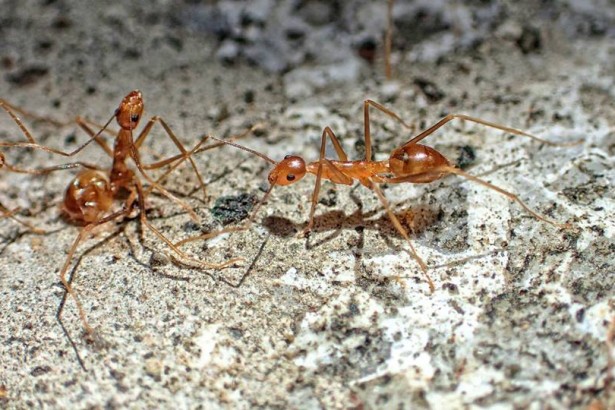
In addition, the buying and selling of ants also involves ecological safety issues. Some imported ants are among the world's 100 worst invasive species, and once they enter the wild they may impact local agriculture and the ecological environment; experts also call on people not to keep ants as pets or buy them across borders. If you want to try black ant related products, you should obtain them through legal and proper channels, and view their actual effects rationally.
Related Reading